
Breast Augmentation Risks and Complication Coverage
Helpful resources
Breast Augmentation Risks Explained: What Every Patient Should Know
Breast augmentation is a common cosmetic procedure that many choose to enhance their appearance or restore breast volume. While it can offer satisfying results, understanding the risks involved is essential for anyone considering breast implants. These risks range from immediate surgical complications to long-term health concerns, which vary depending on factors like implant type and surgical technique.
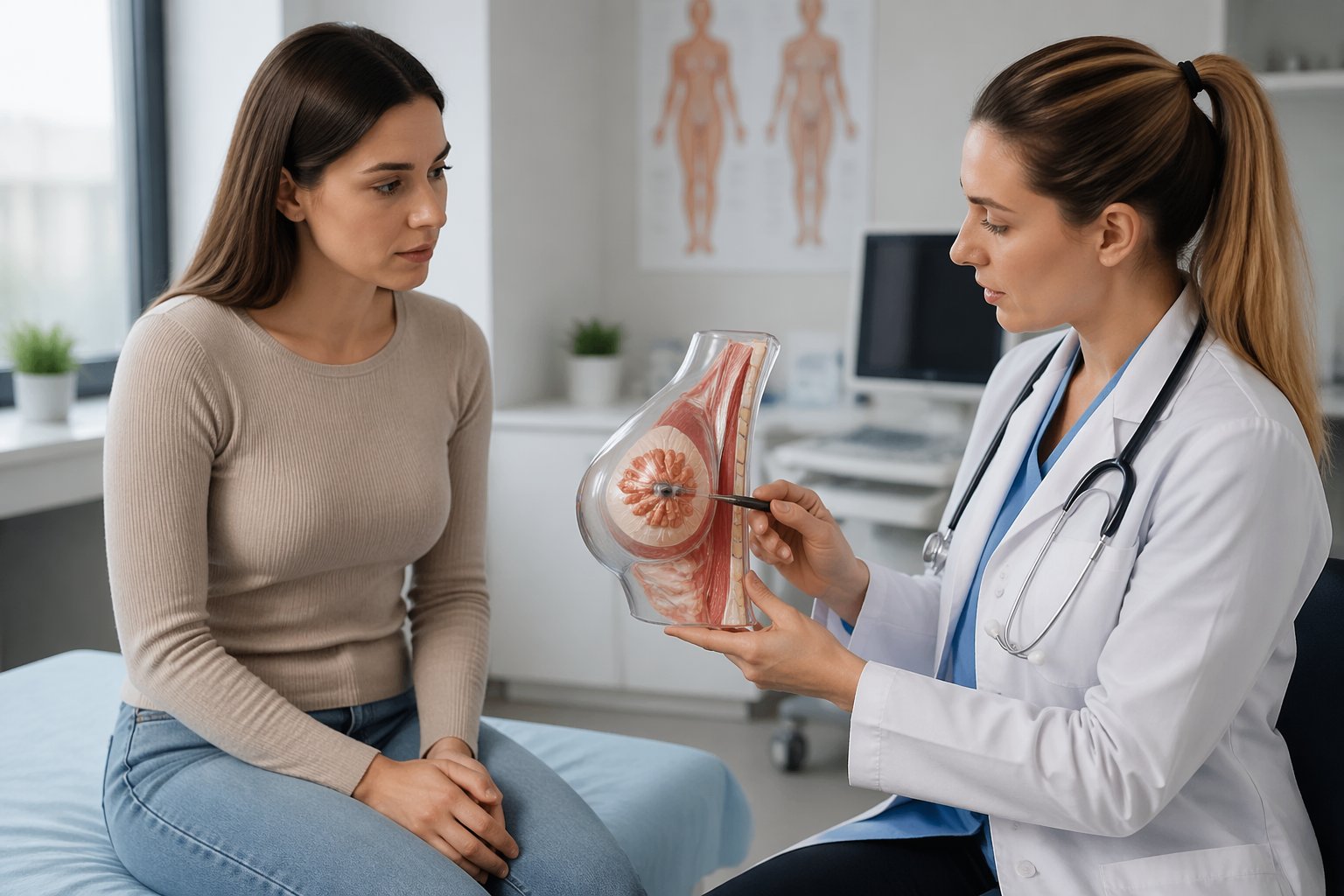
Patients should have thorough conversations with a board-certified plastic surgeon to weigh the benefits and potential complications before proceeding. Knowing what to expect can help in making an informed decision and preparing for the journey ahead with realistic expectations and proper care.
Key Takeways
- Risks include both short-term surgical issues and long-term implant-related complications.
- Selecting a qualified surgeon and ongoing monitoring are critical for safety.
- Some rare but serious conditions require awareness and prompt attention.
Immediate Surgical Risks

Breast augmentation surgery involves potential complications that can occur during or shortly after the procedure. Patients must understand the specific risks related to bleeding, infection, anesthesia, and implant positioning to make informed decisions about their care.
Bleeding and Hematoma
Excessive bleeding during or after breast augmentation can lead to a hematoma, where blood collects around the implant. Hematomas typically develop within the first 24 to 48 hours post-surgery and may cause swelling, pain, and bruising.
If a hematoma forms, it can increase pressure in the implant pocket, potentially affecting implant position or causing tissue damage. Sometimes, surgical intervention is required to drain the accumulated blood and control bleeding.
Seroma, a fluid build-up similar to hematoma but involving serous fluid, can also occur, though it is less common. Both conditions increase risk for infection if untreated. Prompt medical evaluation is necessary if swelling or discoloration worsens after surgery.
Infection Concerns
Infections following breast augmentation are uncommon but serious complications. They usually manifest within the first few weeks and include symptoms such as redness, warmth, fever, and pain around the surgical site.
Infection risk is heightened by hematoma or seroma formation, as these fluid accumulations provide a medium for bacterial growth. Treatment involves antibiotics, but if the infection does not respond, surgeons may need to remove the implant temporarily to allow healing.
Strict sterile techniques during surgery and adherence to post-operative care minimize infection likelihood. Early recognition and management are critical to prevent implant loss or more severe complications.
Anesthesia Effects
Anesthesia is required for breast augmentation and carries inherent risks, though serious problems are rare with proper monitoring. Immediate reactions may include nausea, vomiting, or allergic responses to anesthetic agents.
Some patients may experience changes in blood pressure, heart rate, or respiratory function during surgery. Anesthesia professionals continuously monitor these parameters to maintain stability and minimize risk.
Understanding anesthesia effects helps patients manage expectations for recovery. Clear communication of medical history and allergies is essential for safe anesthetic administration.
Early Implant Displacement
Implant displacement occurs when the breast implant moves out of its intended pocket position soon after surgery. This can result from improper pocket creation, excessive swelling, hematoma, or early physical activity.
Displacement may cause visible asymmetry, discomfort, or distortion of breast shape. Surgeons usually advise limiting strenuous movement and following detailed aftercare instructions to avoid this problem.
Minor displacement sometimes resolves as swelling decreases, but significant shifts may require corrective surgery. Early detection allows timely intervention before scar tissue formation makes adjustment difficult.
Appropriate surgical technique and patient compliance are key factors in preventing early implant displacement. For more detail on potential early complications, visit the FDA page on breast implant risks.
Implant-Related Complications
Breast implant complications can affect the implant’s integrity and the breast’s appearance. These issues often require monitoring or surgical intervention. Key concerns include damage to the implant shell, changes in implant position, and aesthetic irregularities.
Breast Implant Rupture and Leakage
Breast implant rupture occurs when the outer shell breaks, allowing the implant’s filler to escape. Silicone implant rupture can be more difficult to detect because silicone tends to stay inside the scar tissue capsule, whereas saline implants typically deflate quickly and visibly leak saline solution.
When a rupture happens, silicone leakage may lead to inflammation or scar tissue formation, while saline leaks are absorbed harmlessly by the body. Rupture may cause breast pain, asymmetry, or changes in shape. Implant rupture necessitates implant removal or replacement through revision surgery to prevent further complications.
Silent Rupture
A silent rupture is a rupture of a silicone implant that shows no obvious symptoms. Because silicone may remain trapped inside the capsule, ruptures can go unnoticed without imaging studies like MRI or ultrasound.
Routine screening is often recommended to detect silent rupture, as delayed diagnosis can increase the risk of implant complications such as capsular contracture or local irritation. Patients should discuss the timing of imaging follow-up with their surgeon based on implant type and individual circumstances.
Implant Malposition and Displacement
Implant malposition refers to the implant shifting from its intended placement, causing asymmetry or distortion. Common causes include inadequate capsule formation, trauma, or poor pocket dissection during surgery.
Displacement can be downward, lateral, or medial, impacting breast shape and sometimes causing discomfort. It may require corrective revision surgery to reposition or replace the implant. Risk factors include implant size, type (smooth vs. textured), and placement plane (subglandular or submuscular).
Rippling and Wrinkling
Rippling describes visible folds or wrinkles on the breast surface caused by implant shell folds or insufficient soft tissue coverage. It occurs more frequently with saline implants and smooth implants, especially when placed above the muscle with thin breast tissue.
Textured implants may reduce rippling risk but can still show surface irregularities. Rippling often affects the lower or outer breast and may be noticeable when the skin is stretched or in certain positions. Surgical options to address rippling include implant replacement, pocket adjustment, or fat grafting to add tissue coverage.
Formation of Scar Tissue and Contracture

Breast implants naturally trigger the body to form a layer of scar tissue around them. This scar tissue can sometimes thicken or tighten excessively, causing discomfort or altering the shape of the breast. Understanding how scar tissue forms and the complications that can arise is essential for anyone considering breast augmentation.
Capsular Contracture
Capsular contracture occurs when the scar tissue capsule that surrounds the implant becomes abnormally thick, tight, and hard. This tightening squeezes the implant, which can cause firmness, pain, and visible distortion of the breast. Symptoms can range from mild discomfort to significant pain and implant displacement.
It tends to happen more often following complications like infection, hematoma, or seroma, and is more common with implants placed above the muscle (subglandular). The severity is usually graded, with higher grades indicating more discomfort and distortion. Treatment sometimes requires surgery to remove or release the tightened capsule to restore breast appearance and comfort.
Scar Tissue Formation
Formation of scar tissue is a normal part of healing after breast augmentation. The body creates a thin capsule of collagen around the implant to isolate it. However, in some cases, poor scarring can cause this tissue to become thick and contract over time.
Factors influencing scar tissue development include infection, bleeding, and individual healing response. Excessive scar tissue can alter breast shape or cause pain by compressing the implant. Scar tissue that is too thin or weak might fail to adequately protect the implant, increasing the risk of implant movement or rupture.
Capsulectomy and Capsulotomy
When capsular contracture develops, surgical intervention may be necessary. Two main procedures address this issue: capsulectomy and capsulotomy.
- Capsulectomy involves the complete removal of the scar tissue capsule surrounding the implant. It is often done when the capsule is severely thickened or calcified.
- Capsulotomy refers to making incisions in the capsule to release the tightness and expand the space around the implant without fully removing the scar tissue.
Both procedures aim to relieve the pressure on the implant, reduce pain, and restore the breast’s appearance. However, surgery carries risks, and contracture may recur. The choice between these techniques depends on the severity of contracture and surgeon’s assessment.
More details on these strategies can be found at this breast implant revision surgery resource.
Systemic and Long-Term Effects

Breast implants carry risks that extend beyond local complications, with potential long-term impacts involving systemic health. Some patients report a range of persistent symptoms that may affect overall well-being. Understanding these risks helps inform decisions about implant surgery and ongoing care.
Breast Implant Illness (BII)
Breast Implant Illness (BII) is a term used to describe a collection of symptoms reported by some women with breast implants. These symptoms often include fatigue, cognitive difficulties, muscle and joint pain, and rashes. BII is not a formally recognized medical diagnosis, but it reflects patient-reported systemic reactions linked to implants.
Current research has not established a direct causal link between breast implants and BII, but increasing patient awareness has prompted further investigation. Removal of implants often leads to symptom improvement, though this is not guaranteed. Surgeons recommend discussing these concerns thoroughly before surgery and monitoring symptoms after implantation.
Systemic Symptoms
Systemic symptoms encompass a broad range of health complaints that may appear months or years after implant placement. These can include chronic fatigue, brain fog, and persistent joint pain. Other commonly reported issues involve neurological symptoms such as headaches and memory problems.
These symptoms are sometimes collectively called "breast implant illness" but may also be associated with inflammatory responses or immune system activation. Because these symptoms overlap with other conditions, detailed medical evaluation is required. Patients experiencing these effects should work closely with healthcare providers experienced in implant-related complications.
Autoimmune and Connective Tissue Concerns
Some studies have explored potential links between breast implants and autoimmune or connective tissue disorders. Conditions such as rheumatoid arthritis, lupus, or scleroderma have been investigated in relation to implants, but findings remain inconclusive.
The immune system’s response to implants may trigger inflammation or autoimmune activity in susceptible individuals. However, no definitive evidence confirms implants cause autoimmune diseases. Monitoring for symptoms like joint swelling, chronic pain, or skin changes after implantation is important. Patients with a personal or family history of autoimmune disease should discuss risks carefully with their surgeon before proceeding.
For detailed information on long-term complications and systemic symptoms of breast implants, consult resources on long-term implications of implant-based breast reconstruction and breast implant illness risk factors.
Rare Lymphoma and Cancer Risks
Certain types of lymphoma have been linked to breast implants, with specific attention to the type of implant surface and genetic factors. Understanding these risks allows individuals to make informed decisions and recognize symptoms early.
Anaplastic Large Cell Lymphoma (ALCL)
Anaplastic large cell lymphoma (ALCL) is a rare form of non-Hodgkin lymphoma affecting the immune system. It primarily occurs in lymph nodes but can develop in other tissues. ALCL itself is uncommon, but when associated with breast implants, it takes on particular significance.
ALCL linked to breast implants has been identified as a distinct clinical entity. It differs from traditional ALCL due to its localized nature near the breast implant, often presenting years after the implant procedure. Understanding this lymphoma’s rarity and characteristics helps guide monitoring after augmentation.
Breast Implant-Associated ALCL (BIA-ALCL)
Breast implant-associated anaplastic large cell lymphoma (BIA-ALCL) is a rare cancer arising specifically around textured breast implants. It is not a breast cancer but a lymphoma that can present as fluid buildup, swelling, or a mass near the implant.
Women with textured implants have a higher risk of developing BIA-ALCL compared to those with smooth implants. This risk further increases in patients with BRCA1 or BRCA2 mutations, making genetic factors an important consideration. Studies show that women with such mutations and textured implants have up to a 16-fold greater risk of BIA-ALCL. Regular follow-up is crucial due to the delayed onset of symptoms, which may appear years post-implantation. More on this can be found at Breast Cancer.org’s article on BRCA mutations and lymphoma risk.
Cancer Screening and Monitoring
Regular screening and monitoring are essential for early detection of BIA-ALCL and other implant-related complications. Patients with textured breast implants should be vigilant for swelling, lumps, or pain around the implant site.
Healthcare providers typically recommend annual physical exams and imaging tests if symptoms emerge. MRI or ultrasound can help identify fluid collections or masses. Genetic testing for BRCA mutations may further inform individual risk assessments.
A structured follow-up protocol benefits patients by detecting issues early and improving treatment outcomes. Awareness of implant type and family history is valuable during consultations for breast augmentation or reconstruction. Guidance on screening can be found through resources such as the Mayo Clinic’s discussion on breast implant-associated lymphoma.
Sensory and Physical Changes
Breast augmentation can lead to noticeable alterations in breast sensation and physical structure. Patients should expect potential changes in nipple sensitivity, the risk of persistent breast pain, and modifications like tissue thinning. Understanding these effects is crucial for informed decision-making.
Changes in Nipple Sensation
Changes in nipple sensation are common after breast augmentation. Many patients experience numbness or oversensitivity in the nipple-areola complex. These sensory changes can result from nerve disturbance during implant placement or incision.
Typically, nipple oversensitivity decreases gradually over several months. However, about 20% of patients may have some lasting reduction in nipple sensation. The extent depends on factors like incision type and implant placement.
Incision choices—such as inframammary, periareolar, or transaxillary—affect sensory outcomes differently. For example, periareolar incisions carry a higher risk of nerve damage leading to sensory changes. Patients are advised to discuss these risks carefully with their surgeon.
Chronic Breast Pain
Chronic breast pain following augmentation is another significant concern. Pain may develop due to nerve irritation, implant pressure, or capsular contracture—a condition where scar tissue tightens around the implant.
The pain is typically described as a persistent ache or tenderness within the breast tissue. It can vary in severity and sometimes interfere with daily activities.
Management includes pain medication, physical therapy, or, in severe cases, implant removal. Patients should monitor symptoms closely and report ongoing discomfort to their healthcare provider to prevent complications.
Breast Tissue Thinning and Atrophy
Breast tissue thinning and atrophy can occur over time after implantation. The pressure from the implant can compress the natural breast tissue, leading to gradual tissue loss or thinning.
This thinning may affect the breast’s texture and appearance, sometimes causing visible implant edges or wrinkling. It can also influence implant position or lead to asymmetry.
Regular follow-up with a surgeon is important to monitor these changes. In some cases, revision surgery may be required to restore breast contour or address tissue loss.
For more detailed information, review risks including sensory changes and physical complications linked to breast implants.
Aesthetic and Lifestyle Considerations
Breast augmentation outcomes can be influenced by several aesthetic and lifestyle factors that impact appearance and function. These include how implants settle, skin changes over time, scar formation, and effects on breastfeeding capacity. Understanding these elements helps set realistic expectations and informs post-surgery care.
Asymmetry and Implant Position
Natural breast asymmetry is common, and implants may highlight or alter it. Subtle differences in size or shape between breasts can become more noticeable after augmentation. Surgeons often try to adjust implant size or placement to minimize visible asymmetry.
Implant position is crucial for a balanced look. Poor placement, such as an improperly created implant pocket, can cause implants to sit too high, too low, or shift laterally. This may result in uneven cleavage or unnatural contours. Adjustments during surgery aim to optimize symmetry, but some minor differences may persist.
Careful preoperative planning and communication about desired cup size and breast shape are essential to reduce asymmetry risks.
Sagging Breasts and Ptosis
Sagging breasts, or ptosis, can develop or worsen after augmentation, especially if skin elasticity is limited. Implants add volume but do not prevent breast tissue or skin from stretching over time. Larger implants and lifestyle factors like weight fluctuations can increase strain on skin.
In cases of moderate to severe sagging, a breast lift may be recommended alongside augmentation to improve firmness and nipple position. Without addressing ptosis, implants may appear low or cause unnatural breast shapes.
Stretch marks are not uncommon due to skin stretching. Patients should understand that augmentation does not halt aging changes affecting breast appearance.
Scarring and Cleavage
Incisions for breast augmentation vary (inframammary, periareolar, transaxillary), each with distinct scarring patterns. While modern surgical techniques reduce poor scarring risks, some individuals develop hypertrophic or widened scars.
Scar visibility can affect patient satisfaction, particularly if located near the cleavage where it may be exposed in certain clothing. Proper incision placement and postoperative care reduce scar complications.
Surgical technique also impacts cleavage aesthetics. Implants must be positioned to create natural separation without causing excessive tightness or unnatural spacing between breasts.
Breastfeeding and Milk Production
Breast augmentation can affect breastfeeding ability, but many women successfully nurse after surgery. Factors influencing milk production include implant placement (subglandular vs. submuscular), incision type, and preexisting breast tissue health.
Incisions around the areola are more likely to impact milk ducts and nerves, potentially reducing milk supply or causing nipple sensation changes. Submuscular placement typically preserves more breast tissue function.
Women planning to breastfeed should discuss this with their surgeon to choose techniques that minimize interference. Postoperative follow-up is important to address any breastfeeding challenges and support lactation where needed.
Alternatives, Revision, and Implant Removal
Patients considering changes to their breast augmentation should understand the options beyond initial surgery. These range from natural alternatives like fat transfer to more involved procedures such as implant removal or revision surgery. Each choice carries specific benefits, risks, and recovery considerations.
Fat Transfer Breast Augmentation
Fat transfer breast augmentation uses the patient's own fat, harvested via liposuction from areas like the abdomen or thighs, to enhance breast size and shape naturally. This method avoids implants and potential complications linked to foreign materials.
Because it relies on existing body fat, volume increase is generally modest. Multiple sessions might be needed to achieve desired fullness. Fat transfer minimizes risks such as implant rupture or capsular contracture but may involve fat resorption over time, which can reduce augmentation results.
Ideal candidates often seek subtle enhancement and prefer a procedure with less foreign material. It also offers body contouring benefits at the fat donor sites, making it a dual-purpose treatment.
Breast Implant Removal and Explant Surgery
Breast implant removal, or explant surgery, involves taking out implants without replacement. Reasons vary from complications like rupture, infection, or capsular contracture to personal choice or health concerns.
The surgery may be combined with a capsulectomy, removal of scar tissue surrounding the implant, to reduce symptoms or prevent recurrence of problems. Ultrasound and MRI assessments guide the necessity and timing of removal.
Recovery depends on implant placement and extent of tissue removed; some patients may require skin tightening procedures afterward to address breast sagging following explant.
Long-term care involves regular follow-up and imaging as indicated, especially when implants are removed due to complications, emphasizing ongoing breast health monitoring.
Revision Surgery Considerations
Breast implant revision surgery addresses changes in breast appearance or complications post-augmentation mammoplasty. Common reasons include implant rupture, capsular contracture, dissatisfaction with size or shape, and implant malposition.
Revision may involve implant replacement, repositioning, or removal. The choice depends on patient goals, implant type, and underlying issues. Surgery complexity increases with scar tissue and previous procedures, necessitating meticulous planning.
Different implant placements (subglandular vs. submuscular) may be chosen during revision to reduce risks such as capsular contracture. Advanced implants like Motiva offer improved outcomes but must be individually assessed.
Recovery times and risks vary; thus, patient-specific factors and surgeon expertise are crucial in optimizing results.
Breast Reconstruction After Removal
After implant removal, some patients opt for breast reconstruction to restore breast contour and volume. Options include fat grafting, flap procedures using tissue from elsewhere on the body, or new implants.
Reconstruction choice depends on breast tissue condition, removal extent, and patient preference. Fat transfer can provide natural contouring but may require multiple treatments. Flap surgery is more invasive but offers durable volume and shape without implants.
Timing varies between immediate reconstruction at explant surgery or delayed procedures after healing. Reconstruction aims to balance aesthetic goals with breast health, factoring in the risks of additional surgery and recovery duration.
Close consultation with a specialized surgeon ensures the best tailored approach for reconstruction following breast implant removal.
For detailed insights into breast implant removal and revision surgery, see the FDA's guidance on Risks and Complications of Breast Implants.
Revision surgery options and timelines are discussed in depth at Breast Implant Exchange Options in 2025.
Implant Safety, Monitoring, and Surgeon Selection
Breast implant safety involves adherence to strict guidelines, continuous medical monitoring, and choosing a highly qualified surgeon. Regular imaging helps detect complications early, while understanding implant lifespan informs future decisions. Selecting a board-certified plastic surgeon ensures both skill and compliance with safety protocols.
FDA and American Society of Plastic Surgeons Guidelines
The FDA mandates rigorous testing to ensure breast implants meet safety and effectiveness standards before approval. They provide updated recommendations addressing risks like breast implant illness (BII) and rare cancers such as BIA-ALCL. The American Society of Plastic Surgeons (ASPS) collaborates with the FDA to relay these guidelines to patients and surgeons, promoting informed decisions.
Patients are encouraged to review detailed risk checklists before surgery. These outline potential complications, including rupture, infection, and capsular contracture. The ASPS emphasizes ongoing safety monitoring and transparent communication between patients and surgeons to reduce adverse outcomes. Keeping up with current guidelines from trusted authorities is critical for maximizing implant safety.
Routine Screening and Imaging
Postoperative monitoring through routine screening plays a crucial role in early complication detection. Magnetic resonance imaging (MRI) or ultrasound is recommended for silicone implant patients every 2-3 years to check for silent ruptures, which can occur without symptoms.
Regular clinical exams by a qualified professional are equally important. Monitoring aims to identify common issues like capsular contracture, implant displacement, or infection before they worsen. Patients should maintain scheduled follow-ups and immediately report any changes in breast shape, pain, or swelling. These practices enhance long-term safety and implant integrity.
Choosing a Qualified Surgeon
Selecting a board-certified plastic surgeon with specific expertise in breast augmentation reduces surgical risks significantly. Certification from recognized boards such as the American Board of Plastic Surgery confirms rigorous training, proficiency, and commitment to patient safety.
Patients should verify their surgeon’s credentials, ask about experience with implant types, and request before-and-after photos of previous cases. A qualified surgeon will provide clear guidance on risks and realistic outcomes, respecting patient goals while prioritizing health. This choice directly impacts surgical success, complication rates, and postoperative care quality.
Lifespan and Replacement of Implants
Breast implants are not lifetime devices and typically require replacement after 10-15 years. Wear over time increases risks of rupture or capsular contracture. Patients should expect eventual revision surgery, either for implant exchange or removal.
Regular evaluations allow for timely intervention before complications advance. Advances in implant design aim to extend lifespan and improve safety, but monitoring remains essential. Understanding implant longevity helps patients plan financially and medically for future procedures to maintain breast health and aesthetics.
For more detailed updates from the FDA on implant safety, visit the FDA safety and effectiveness page.
Frequently Asked Questions
Breast augmentation carries specific risks, some immediate and others that develop years after surgery. Understanding these risks and the recovery process helps in making an informed decision.
What are the most common complications after getting breast implants?
Common complications include infection, bleeding, changes in nipple or breast sensation, and scar tissue formation called capsular contracture. Some patients also experience swelling, bruising, or implant rupture.
How safe are breast implants today based on current medical evidence?
Modern surgical techniques and improved implant materials have significantly reduced many risks. However, implants still carry potential complications, making surgeon expertise and follow-up care essential for safety.
What is the risk of serious illness or death associated with implant surgery?
Serious illness or death related to breast implant surgery is very rare. Most adverse outcomes are manageable when detected early, but there is a small risk of complications related to anesthesia or infection.
Can breast implants increase the risk of cancer or lymphoma?
There is a recognized association between breast implants and a rare type of cancer called breast implant-associated anaplastic large cell lymphoma (BIA-ALCL). The overall risk remains low but warrants monitoring and awareness.
What long-term issues can occur 10 to 20 years after implants are placed?
Long-term issues may include silent implant rupture, capsular contracture, implant displacement, and Breast Implant Illness, which presents with systemic symptoms. Routine check-ups help identify these problems early.
How painful is the procedure and what is the typical recovery like?
Pain varies but is generally moderate and manageable with medication. Most patients experience swelling and soreness for several weeks with gradual return to normal activities over 4 to 6 weeks. Full recovery times depend on individual factors and surgical technique.
Share this article
Leave a Comment
Comments
No comments yet