
Facelift Surgery: Complications and Insurance Protection
Helpful resources
Facelift Complications Explained: Risks, Prevention, and Recovery Insights
Facelift surgery, or rhytidectomy, aims to restore a youthful appearance by tightening facial skin and underlying tissues. While generally safe, it carries risks that can affect recovery and overall results. Understanding the potential complications is essential for anyone considering this type of plastic surgery.
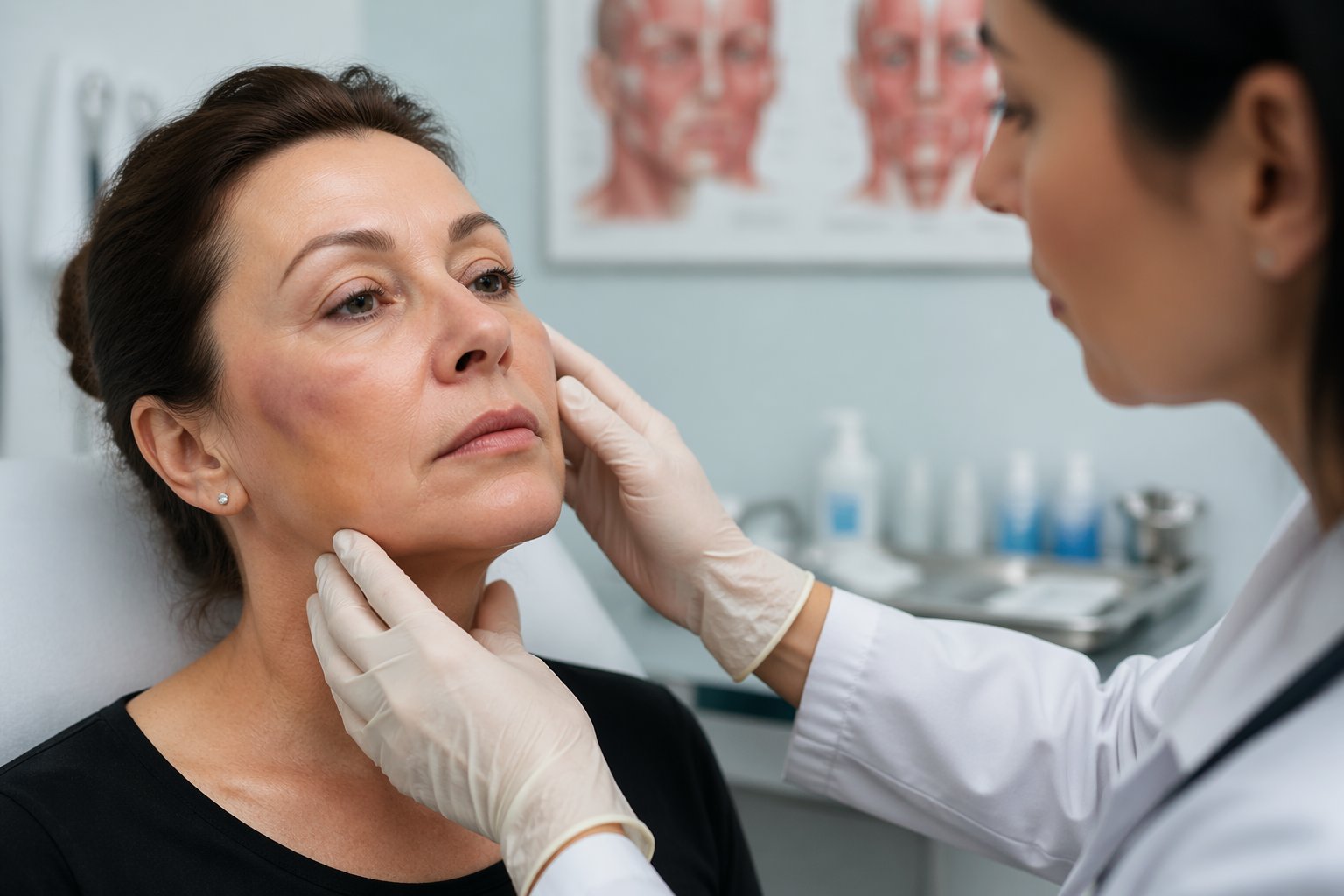
Complications can range from common issues like swelling and hematoma to more serious risks involving nerve damage or infection. Being informed about these possibilities helps patients and surgeons take precautions to minimize risks and manage any problems effectively.
Awareness of factors influencing outcomes, such as patient health and surgical technique, also plays a crucial role in reducing adverse effects. Proper care before and after the procedure can greatly impact the healing process and final appearance.
Key Takeways
- Complications from facelift surgery vary in severity but are usually manageable.
- Patient factors and surgical methods influence the likelihood of risks.
- Preventive measures and proper management improve recovery outcomes.
Understanding Facelift Surgery and Techniques
Facelift surgery involves different approaches tailored to target specific facial areas and aging concerns. Surgical techniques vary in complexity and the extent of tissue repositioning, impacting both results and recovery. The choice of procedure depends on the patient's anatomy and desired outcomes, with some methods addressing the neck area closely.
Overview of Facelift Procedures
Facelift, or rhytidectomy, is a surgical procedure that rejuvenates facial appearance by tightening skin and underlying tissues. It typically targets sagging skin, wrinkles, and loss of definition in the midface and jawline. Surgeons may remove excess skin and reposition deeper layers like fat and muscle to create a firmer contour.
The procedure is often performed under general or local anesthesia and usually involves an incision around the ear that extends into the hairline. Recovery time and risk of complications vary depending on the extent of surgery and patient health. Techniques continue to evolve, offering options that minimize visible scars and enhance natural-looking results.
SMAS Facelift vs. Deep Plane Facelift
Two common techniques in facelift surgery focus on manipulating the Superficial Musculoaponeurotic System (SMAS), a fibrous layer that supports facial tissues.
-
SMAS Facelift: This method tightens and repositions the SMAS layer to improve the midface and jawline. It is widely used due to its balance between effectiveness and safety, providing visible lifting while preserving facial movement.
-
Deep Plane Facelift: A more advanced technique that releases the SMAS layer more extensively and lifts deeper tissues along with skin. It allows for more natural and longer-lasting results, especially correcting deeper folds and sagging. However, it requires greater surgical skill and may have a longer recovery period.
Each technique suits different patient needs; deeper repositioning usually means improved correction of aging signs but may carry additional risks.
The Role of Neck Lift and Conservative Technique
A neck lift often accompanies a facelift to address sagging skin, muscle banding, and fat deposits below the chin. This procedure refines the jawline and neck contour, which greatly affects overall facial harmony.
The conservative technique in facelift surgery emphasizes minimal tissue dissection and precise adjustments rather than aggressive lifting. It reduces risks like hematoma, nerve injury, and prolonged swelling while providing subtle, natural improvements. Surgeons may combine this with neck lift selectively based on patient anatomy and aging extent.
Choosing a less invasive approach can limit complications but may require careful patient selection to meet aesthetic goals.
Most Common Facelift Complications

Facelift surgery, or rhytidectomy, carries several risks that patients and surgeons must acknowledge. Some complications arise early in recovery and are manageable if addressed promptly. Others may affect long-term results and require additional care to correct.
Hematoma and Bleeding Risks
Hematoma is the most frequent complication after a facelift, occurring when blood collects beneath the skin. This causes swelling, bruising, and often intense pressure or discomfort. Hematomas typically develop within 24 hours post-surgery, making early detection critical.
If untreated, a hematoma can increase tension on the skin flaps and compromise wound healing. Surgical drainage is usually required to remove the collected blood and prevent further issues. The risk of hematoma ranges between 1-3% in facelift procedures, making it the leading reason for prompt postoperative intervention.
Patients on blood thinners or with high blood pressure face increased bleeding risks. Surgeons take precautions like careful hemostasis during the operation and monitoring blood pressure after surgery to minimize this complication. For more detailed information, see the explanation of Risks and Potential Complications of a Facelift.
Infection After Surgery
Infection following rhytidectomy is uncommon but can significantly impact recovery and results. The facelift incisions create potential entry points for bacteria, making sterile technique and postoperative care essential. Signs of infection include redness, warmth, swelling beyond expected levels, fever, and sometimes pus discharge from the incisions.
Most infections respond well to antibiotics if caught early. Severe or untreated infections could lead to wound breakdown or deeper tissue damage, compromising aesthetic outcomes. Surgeons stress the importance of following wound care instructions and promptly reporting unusual symptoms.
Routine use of prophylactic antibiotics during surgery helps reduce infection risk. Patients with compromised immune systems or medical conditions such as diabetes might have a higher chance of developing infections. Detailed guidance on infection prevention in facelift procedures is available at Risks and Complications of Facelift Surgery.
Scarring and Healing Issues
Scarring after facelift surgery varies by individual healing factors and surgical technique. Some degree of scar formation is inevitable, but well-positioned incisions around the hairline and ears typically become discreet over time.
Poor healing can lead to widened, thickened, or raised scars, which sometimes require revision surgery or treatments like steroid injections. Factors such as smoking, sun exposure, and genetics influence scar quality. Delayed healing or skin discoloration may also occur in the incision areas.
Proper postoperative care, including keeping the wounds clean and avoiding tension on the scars, enhances healing. Surgeons often advise patients to avoid strenuous activities and sun exposure during recovery. Observing symptoms that signify abnormal healing enables early intervention for better cosmetic results. Additional details on managing scarring can be found at Facelift Complications - Dr. Rady Rahban.
Skin Necrosis
Skin necrosis, or tissue death, is a rare but serious complication after a facelift. It occurs when blood supply to the skin is compromised, causing the affected area to turn dark, hard, or ulcerated. This condition requires urgent medical attention to prevent permanent damage and further tissue loss.
Risk factors include smoking, previous radiation therapy, excessive skin tension, and poor circulation. Necrosis usually presents in the days following surgery and may require wound care, debridement, or additional reconstructive procedures.
Preventive measures include careful surgical technique to preserve blood vessels and avoid overly aggressive skin tightening. Surgeons educate patients on the dangers of smoking before and after surgery to minimize this risk. More information on skin necrosis in facelift patients is available at Potential Facelift Complications And How To Avoid Them.
| Complication | Key Symptoms | Typical Onset | Common Treatment |
|---|---|---|---|
| Hematoma | Swelling, bruising, pressure | Within 24 hours | Surgical drainage |
| Infection | Redness, warmth, fever | Days to weeks | Antibiotics |
| Scarring Issues | Raised, widened scars | Weeks to months | Revision, steroid injections |
| Skin Necrosis | Dark, ulcerated skin | Days post-op | Wound care, possible surgery |
Nerve-Related Complications
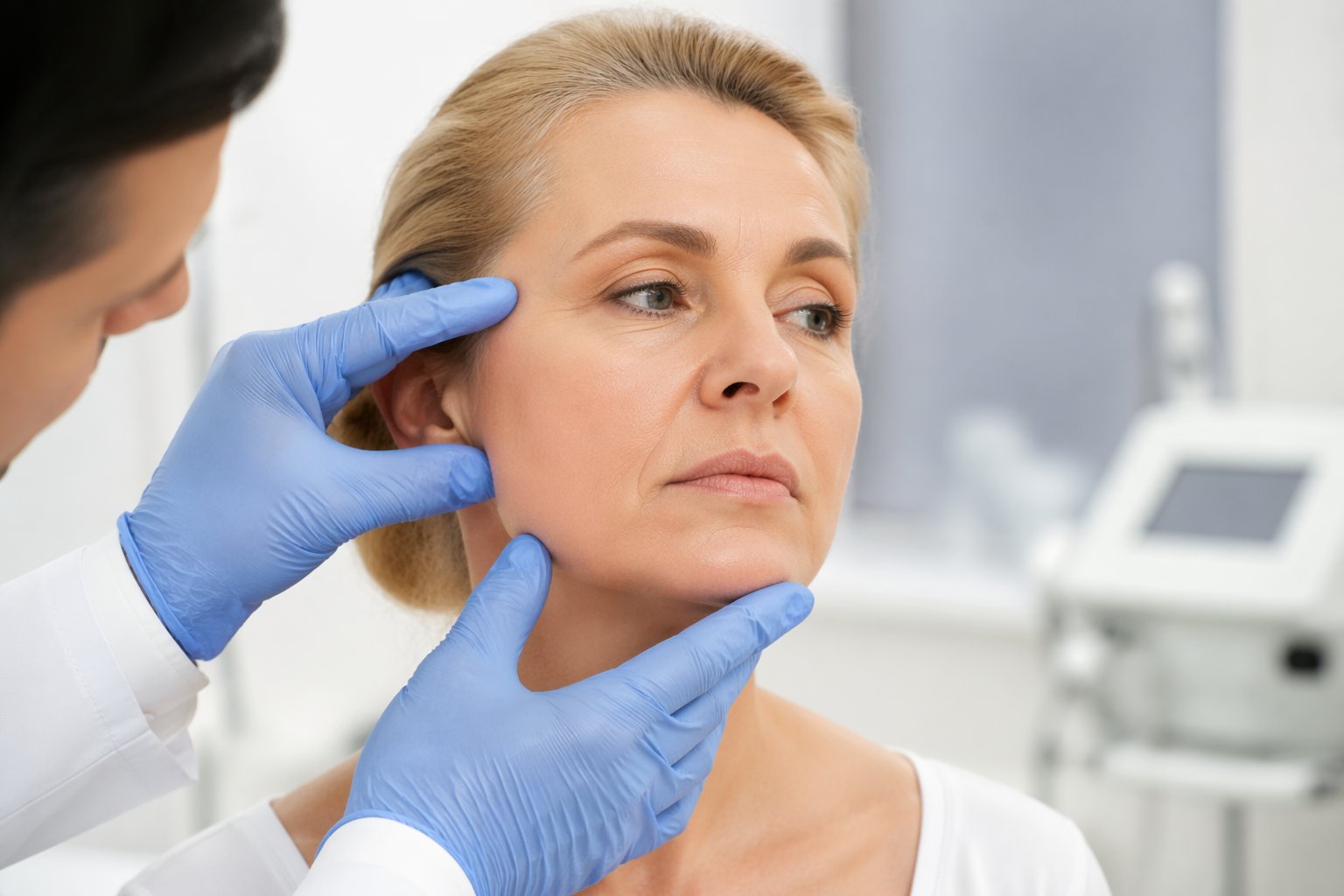
Facelift surgery carries specific risks related to nerve injuries, which can affect sensation and muscle movement in the face. These complications vary in severity and duration, impacting both the recovery process and final aesthetic outcomes.
Facial Nerve Injury During Surgery
The most critical nerve-related risk in facelift procedures is injury to the facial nerve, which controls the muscles responsible for facial expression. Damage can occur due to direct trauma, stretching, or compression during the operation.
Surgeons pay close attention to key facial nerve branches to avoid unintentional harm. Injury rates are low, particularly with experienced surgeons, but even minor damage can lead to visible weakness or asymmetry. Injury to the main trunk of the facial nerve is rare but can cause significant functional impairment.
Preventive measures include precise surgical techniques and careful dissection. The choice of facelift type—whether superficial, deep plane, or SMAS—also influences the risk profile.
Temporary or Permanent Facial Numbness
Facelift surgery often results in some degree of temporary numbness, affecting areas such as the cheeks, jawline, or neck. This numbness stems from trauma to sensory nerves during tissue manipulation.
Studies show temporary numbness affects up to 7% of patients and typically resolves within 3 to 12 months. It is more common than permanent nerve damage and rarely causes long-term problems.
Permanent numbness is uncommon, reported in less than 1% of cases. When it occurs, it usually affects small nerve branches and leads to localized sensation loss without motor impairment. Patients should be informed about the likelihood and expected duration of numbness before surgery.
Impacts on Facial Movement
Nerve injury during a facelift can impair facial movement, ranging from slight weakness to partial paralysis. This affects expressions like smiling, eye closure, or lifting the brow.
Subtle asymmetry is common but often improves with time and physical therapy. Severe or permanent motor deficits are rare but require prompt diagnosis and possible intervention.
The type of nerve affected determines the impairment. For example, marginal mandibular branch damage can cause lower lip drooping, while temporal branch injury may weaken eyebrow elevation. Understanding these risks helps surgeons plan and counsel patients accurately.
More information about nerve risks can be found at the page discussing Face&Neck Lift and Nerve Injury.
Contributing Factors and Patient Risk Profiles

Several patient-specific factors influence the likelihood of complications after a facelift. These include underlying health conditions, lifestyle choices, and previous surgical history, all of which can affect healing and the risk of adverse events such as skin necrosis or hematoma.
Health Conditions and Medications
Chronic illnesses like diabetes, hypertension, and autoimmune disorders significantly increase the risk of complications after facelift surgery. These conditions impair wound healing and heighten susceptibility to infection. Patients on blood thinners or medications that affect clotting, such as aspirin or anticoagulants, are at increased risk of postoperative bleeding and hematoma formation.
Preoperative assessment must carefully review a patient’s full medical history and current medications. Managing blood pressure and blood sugar levels before surgery reduces complication rates. Surgeons may advise temporarily stopping certain medications to minimize bleeding risks. This careful planning directly impacts the safety and success of the procedure.
Smoking and Vascular Health
Smoking impairs blood flow and oxygen delivery to tissues, which raises the likelihood of skin necrosis and delayed wound healing after a facelift. Tobacco use constricts blood vessels, reducing circulation vital for tissue repair. This restriction markedly increases the risk of complications like flap necrosis or poor scar quality.
Patients who smoke are advised to quit at least several weeks before surgery to improve vascular health. Many surgeons consider smoking a critical risk factor and may decline to operate unless patients commit to cessation. Quitting smoking improves overall outcomes and decreases the chance of needing a revision facelift to correct complications caused by poor healing.
Previous Plastic Surgery and Revision Facelift Considerations
Patients undergoing revision facelifts face a higher risk of complications compared to first-time surgeries. Scar tissue formation from prior procedures can reduce skin elasticity and complicate both tissue dissection and blood supply preservation. This increases the risk of skin necrosis and hematoma.
Surgeons must evaluate the extent and quality of previous surgical results before planning a revision procedure. Revision facelifts often require more complex techniques and careful handling of tissue planes to avoid damaging critical blood vessels. Understanding the risks associated with surgery history helps tailor the approach to minimize complications and achieve optimal outcomes.
Less Common and Long-Term Adverse Effects
While many facelift complications are temporary, some adverse effects may be less common or develop over time. These include specific issues related to skin and tissue changes, circulatory concerns linked to surgery and anesthesia, as well as outcome-related problems such as facial asymmetry. Awareness of these risks helps patients make informed decisions and prepare for the potential challenges.
Hair Loss and Pigmentation Changes
Hair loss around the incision sites is a possible but uncommon outcome following facelift surgery. This occurs primarily due to disruption of hair follicles during skin elevation or tension placed on the scalp. While some hair regrowth often happens within months, permanent thinning or patchy areas may result in some cases.
Pigmentation changes, including temporary or persistent skin discoloration, can also occur. These changes might present as darker or lighter patches near surgical scars. They are more likely in patients with darker skin tones or those exposed to sun without proper protection during recovery.
Careful surgical technique and post-operative skin care can reduce these risks. Patients should follow sun protection guidelines and report unusual or persistent changes to their surgeon promptly.
Deep Vein Thrombosis and Anesthesia Risks
Though rare, deep vein thrombosis (DVT) is a serious risk linked to facelift surgery. Prolonged immobilization during and after surgery can lead to blood clots forming in the legs, which may travel and cause a pulmonary embolism. This risk underscores the importance of thorough preoperative assessment, including evaluation of personal and family history of clotting disorders.
Anesthesia itself carries risks, such as adverse reactions or breathing difficulties, particularly in patients with underlying health conditions. Skilled anesthesiologists and preoperative screening minimize these dangers.
Surgeons often recommend early mobilization after surgery and may prescribe blood thinners for high-risk individuals. Awareness and preventive measures are essential to avoid these complications.
Asymmetry and Unsatisfactory Results
Facial asymmetry after a facelift can happen due to uneven skin tightening, swelling differences, or variable healing on each side of the face. While mild asymmetry is common and often improves with time, significant unevenness may require revision surgery.
Unsatisfactory results may also arise from unrealistic expectations, surgical technique, or tissue response. Common concerns include overly tight skin, visible scars, or unnatural facial contours.
Patients should have detailed consultations about goals and potential outcomes before surgery. Postoperative follow-up is critical to address early signs of unsatisfactory results and discuss corrective options when necessary.
Strategies to Minimize Risks and Promote Recovery
Minimizing risks in facelift surgery requires careful surgeon selection, precise surgical methods, and dedicated postoperative care. Recovery is enhanced when all three areas receive thorough attention, reducing common complications like hematomas and nerve injury.
Choosing Qualified Plastic Surgeons
Selecting a highly qualified plastic surgeon is critical to reducing facelift complications. Patients should verify board certification and extensive experience in facelift procedures, especially those skilled in advanced methods such as the SMAS facelift or deep plane facelift.
Experienced surgeons use conservative techniques tailored to the patient's anatomy, optimizing natural results and reducing trauma to tissues. Consulting a surgeon who performs these facelift types regularly improves the likelihood of a safe procedure with minimal risk.
A thorough preoperative assessment helps identify any individual risk factors, allowing the surgeon to customize the approach. This includes evaluating skin quality, facial structure, and medical history to develop a plan that balances aesthetic goals with safety.
Advanced Surgical Techniques
Modern facelift surgery favors techniques that minimize tissue disruption while providing lasting results. Procedures like the SMAS facelift and deep plane facelift address deeper facial layers, enhancing lifting without excessive skin tension or damage.
Using precise dissection and controlled conservative methods decreases swelling and hematoma formation. Surgeons focus on preserving blood supply and nerves by carefully managing the extent of tissue manipulation.
Employment of these refined techniques enables faster healing and reduces visible scarring. As a result, patients experience fewer complications related to nerve injury and patchy skin healing, supporting smoother recovery phases.
Postoperative Care and Early Intervention
Effective postoperative care is essential for preventing complications after facelift surgery. Patients must adhere strictly to activity restrictions, wound care, and medication protocols prescribed by their surgeon.
Controlling blood pressure below 140 mmHg is important to reduce hematoma risk. Pain, nausea, and anxiety should be managed aggressively to minimize stress on healing tissues.
Early detection of signs such as unusual swelling, bruising, or numbness allows prompt intervention. Keeping dressings undisturbed for at least 48 hours post-surgery supports initial healing. Regular follow-up visits help monitor progress and address any emerging issues swiftly to ensure optimal recovery.
For a detailed understanding of these postoperative steps, see optimal postoperative recovery protocol.
Managing and Treating Complications
Effective management of facelift complications requires prompt identification and targeted interventions. Treatment strategies vary depending on the severity and type of complication to minimize long-term effects and restore function and appearance.
Interventions for Hematoma and Skin Necrosis
Hematoma is the most common complication after a facelift, often presenting as swelling, bruising, and discomfort due to blood pooling under the skin. Immediate management typically involves surgical drainage to prevent pressure on the tissues and reduce the risk of further damage. Delayed intervention can lead to skin necrosis, where affected tissue begins to die from insufficient blood supply.
Skin necrosis requires careful wound care to promote healing and prevent infection. Early signs include discoloration, increasing pain, or skin blistering. Treatment ranges from conservative management with dressings and antibiotics to surgical removal of necrotic tissue in more severe cases. Preventative measures include meticulous surgical technique and controlled postoperative blood pressure to reduce hematoma risk and subsequent necrosis. More details can be found in this article on how to prevent and treat complications in facelift surgery.
Addressing Nerve Injury and Facial Numbness
Facial nerve injury is a significant concern during a facelift, potentially causing weakness or numbness. Injury can range from temporary neuropraxia to permanent damage depending on the nerve branch involved. Patients commonly experience altered sensation, weakness in facial expression muscles, or asymmetry.
Early recognition is essential. Mild cases often resolve spontaneously within weeks to months. Treatment focuses on supportive care such as physical therapy to maintain muscle tone and prevent contractures. Severe or persistent cases may require surgical exploration or nerve repair. Communication with the patient about expected recovery timelines and potential outcomes is critical for managing expectations.
Approaches to Revision Facelift
Revision facelift addresses complications or unsatisfactory results from the initial surgery, such as asymmetry, scarring, or persistent laxity. It demands thorough evaluation of previous operative scars, vascular status, and nerve function before planning.
The procedure usually involves carefully releasing scar tissue, repositioning tissues, and sometimes removing excess skin. Surgeons must employ conservative dissection to reduce further trauma and risk of complications like skin necrosis or nerve damage. Timing is important; revisional surgery is typically delayed at least several months after the first operation to allow healing.
Detailed planning, patient counseling, and realistic goal-setting are crucial. This approach improves outcomes and reduces the risk of repeated complications, as outlined in resources discussing potential facelift complications and how to avoid them.
Frequently Asked Questions
Facelift surgery involves specific risks and varying recovery experiences depending on the technique and patient factors. Understanding complications like hematoma, the likelihood of serious issues, and how procedures differ helps set realistic expectations.
What is the most common complication after a facelift?
The most frequent complication is a hematoma, where blood collects beneath the skin. This can cause visible swelling, discomfort, and pressure in the treated area.
What are the warning signs of a hematoma after facelift surgery?
Signs include rapid swelling, bruising, intense pain, and tightness on one side of the face. Immediate medical attention is necessary to prevent further issues.
How often do facelift surgeries result in serious problems or revision surgery?
Serious complications are rare when performed by experienced surgeons. Revision surgery occurs in a minority of cases, mainly to correct asymmetry or scarring.
What are the risks and recovery differences with a deep plane facelift?
A deep plane facelift involves more extensive tissue repositioning, which can increase risk of nerve injury and longer recovery. However, it may provide more natural and longer-lasting results.
Is a facelift considered high-risk for older patients or those with medical conditions?
Age and medical conditions can raise risks but do not automatically disqualify candidates. Thorough preoperative assessment helps minimize complications in these groups.
What long-term changes or issues can occur 10 years after a facelift?
Over time, natural aging and gravity continue to affect the face, potentially leading to new sagging or changes in skin texture. Some patients may seek secondary procedures to maintain results.
Share this article
Leave a Comment
Comments
No comments yet