
Hair Transplant Complications: What Patients Should Know
Helpful resources
Hair Transplant Complications and Prevention Methods
Although hair transplantation is generally considered a safe and effective aesthetic procedure, some complications can develop. Hair transplant complications can include issues such as infection, bleeding, swelling, folliculitis, and temporary nerve damage, and most of these conditions can be minimized with proper care and experienced practitioners. However, in some cases, serious problems may arise, so it is important to be aware of the risks.
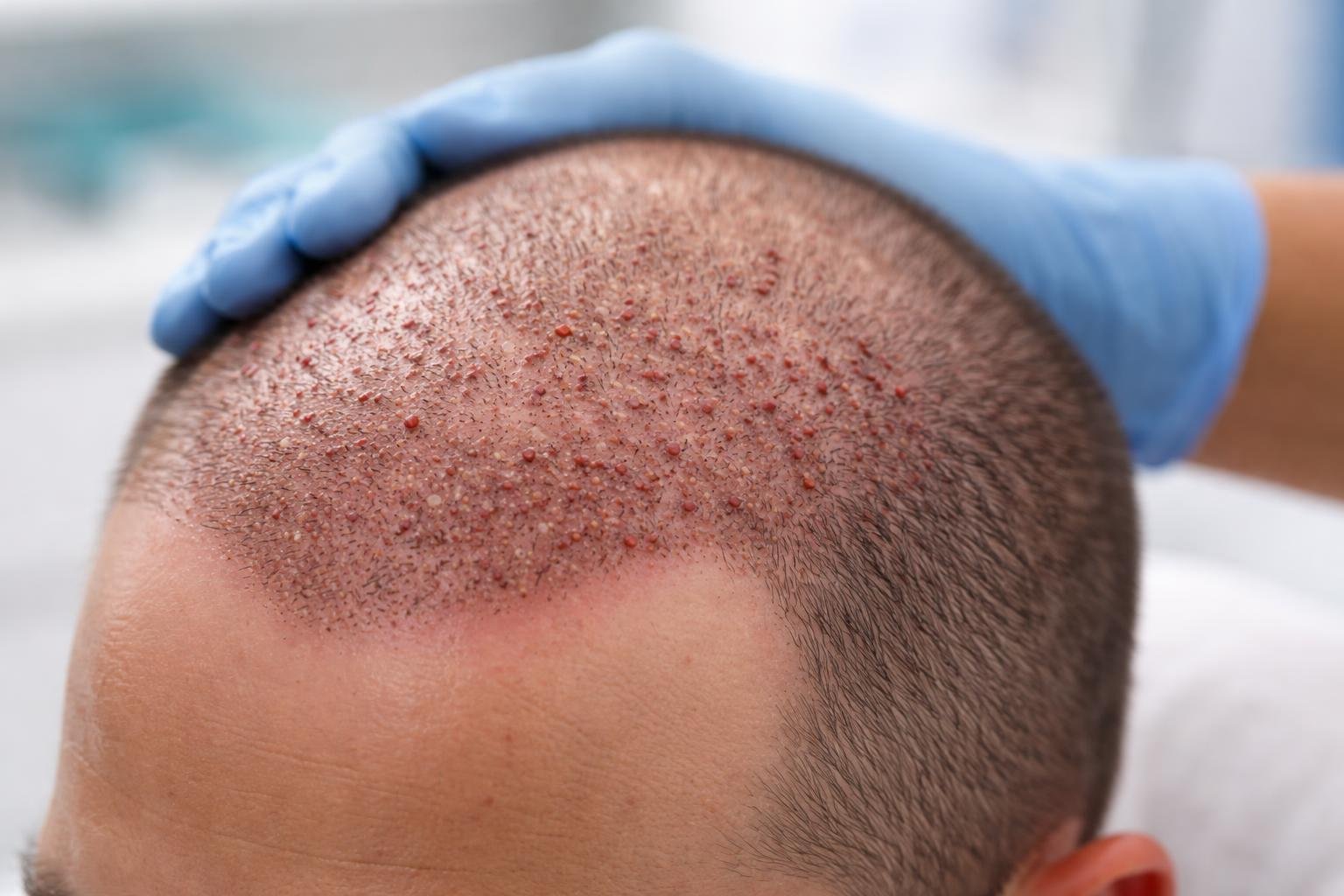
Most of the side effects that may occur after the procedure are temporary and treatable. Nevertheless, technical errors or personal factors can increase the risk of complications. Aesthetic and functional problems such as hair loss, scabbing, and loss of sensation can also be observed.
Proper planning, hygiene, and a careful follow-up process play a critical role in preventing complications. Being aware of these risks before undergoing a hair transplant both increases the success of the procedure and ensures a healthier progression of the process.
Key Points
- Side effects after hair transplantation are generally temporary and treatable.
- Complications such as infection and bleeding can be prevented with proper care.
- Technical and individual factors affect the risk of complications.
Hair Transplant Complications: Overview
The hair transplant procedure, while offering aesthetic results, can also bring some complications. The severity and type of these complications vary. For an effective treatment process, it is necessary to know the risks and possible complications in detail.
Classification of Complications
Hair transplant complications are classified as early and late stage. Early stage complications usually appear in the first few weeks and include complaints such as infection, edema, bleeding, scabbing, and itching. Late stage complications can be seen after a few months; problems such as shock loss, scarring, or abnormal hair growth fall into this category.
Additionally, complications can be divided into surgical and biological. Surgical complications are mechanical problems that occur during or immediately after the operation; biological complications are the body's reactions. This classification is important in determining the treatment approach.
Frequency and Incidence Rates
The incidence of complications experienced during and after hair transplantation is generally low. The risk of infection is around 1-2%. Conditions such as bleeding and edema occur temporarily in many cases and are mild. Side effects such as scabbing, itching, and temporary numbness can be seen in 10-15% of cases.
In procedures performed by experts, the risk of serious complications is significantly reduced. However, risk factors also include the patient's skin structure, hygiene conditions, and post-operative care. Therefore, adherence to post-procedure recommendations reduces the frequency of complications.
Most Common Risks
The most common complications after hair transplantation are infection, bleeding, edema, and scabbing. Infection is usually seen due to poor hygiene or the procedure being performed in non-sterile conditions. Bleeding is generally limited to mild bleeding and does not require intervention.
Scabbing and itching are common in the transplant area as the skin heals. Temporary hair loss, called shock loss, occurs within the first 2-3 months, but is generally not permanent. In addition, situations such as the recipient rejecting donor hairs or abnormal hair growth are rarely seen.
For detailed information, those who want to examine the complications that may occur after hair transplantation can look here.
Normal and Temporary Side Effects
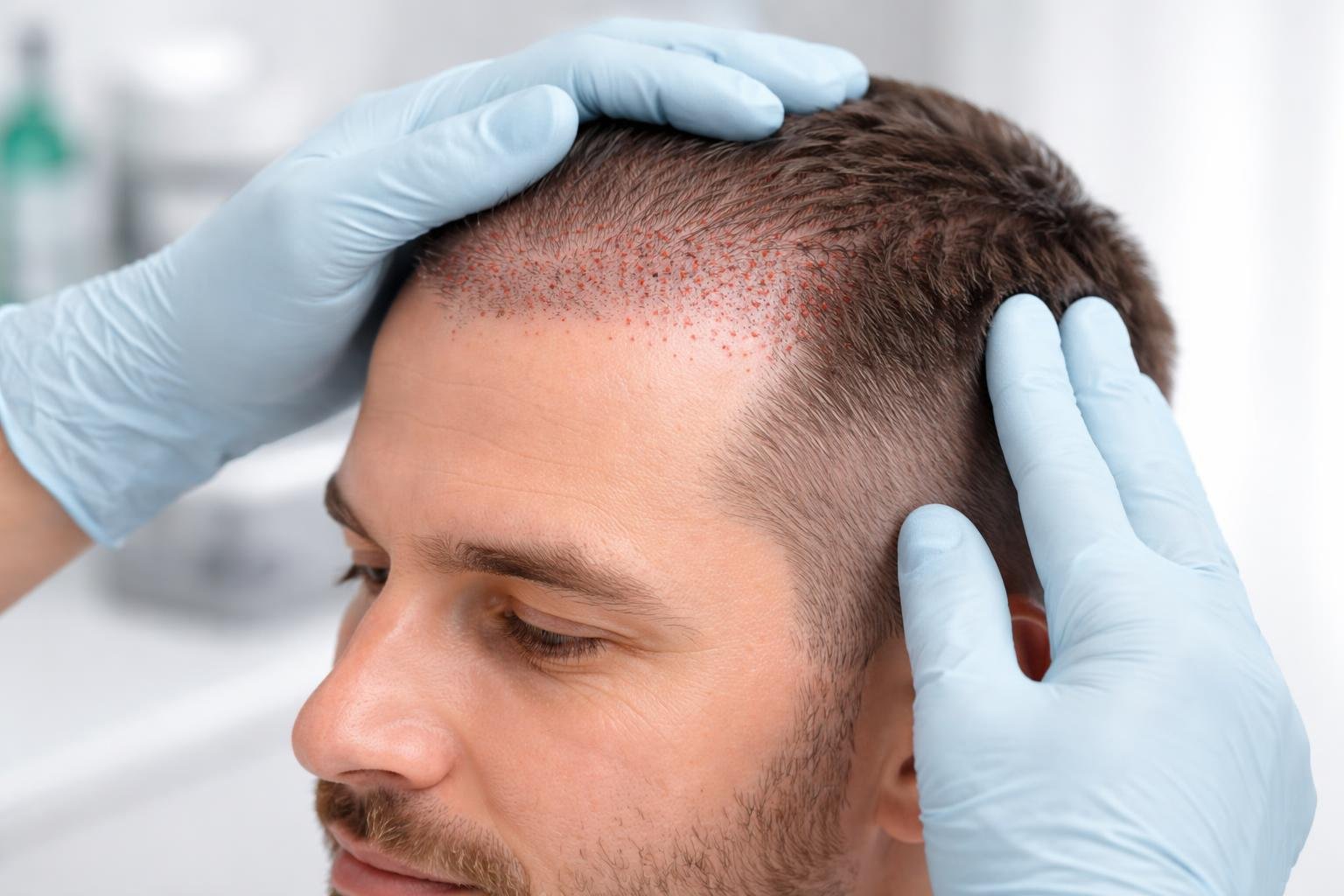
Some side effects after hair transplantation are considered normal and usually resolve on their own in a short time. These effects may vary depending on the application technique and the patient's individual healing process. Conditions such as edema, pain, itching, scabbing, and loss of sensation are natural consequences of surgical intervention and can be controlled with proper care.
Swelling and Edema
After hair transplantation, especially with FUE and FUT methods, swelling and edema may occur on the forehead, eyebrows, and around the eyes. This condition usually becomes most prominent on the second or third day after the operation and subsides within approximately 5-7 days.
Applying cold compresses is often recommended to reduce swelling. Edema is usually temporary and does not cause any permanent damage. However, if the swelling is excessive or accompanied by sharp pain and redness, it may be a sign of infection and may require medical intervention.
Pain and Sensitivity
Pain after hair transplantation is usually mild and short-lived. Sensitivity and tightness in the recipient and donor areas are common. This pain results from temporary damage to tissues during the surgical procedure.
Pain is effectively controlled with analgesic medications. Severe pain is rare and may be a sign of complications such as infection. Patients should use painkillers as advised by their doctor and at the specified dosage.
Itching and Scabbing
Itching in the scalp after the operation is frequently observed. Scabbing in the newly transplanted area is a natural part of the healing process. Scabs usually fall off within 7-10 days.
Itching may increase if the area is not kept clean or in case of infection. Early removal of scabs is not recommended. It is important for patients to wash gently as recommended and to follow moisturizing advice to reduce itching.
Numbness and Loss of Sensation
Numbness or loss of sensation may be experienced in the hair transplant area after the surgical procedure. This condition results from the temporary effect on nerve endings and usually resolves within a few weeks to months.
Prolonged or permanent loss of sensation is rare. These symptoms may be more common, especially after the FUT method. Numbness is an expected part of the healing process, and expert control is important if concerns arise.
| Side Effect | Duration | Recommended Care |
|---|---|---|
| Swelling, Edema | 5-7 days | Cold compress, rest |
| Pain, Sensitivity | A few days | Use of analgesics, gentle care |
| Itching, Scabbing | 7-10 days | Gentle washing, do not pick scabs |
| Numbness, Loss of Sensation | Weeks-months | Patience, follow-up |
Serious Complications and Emergencies
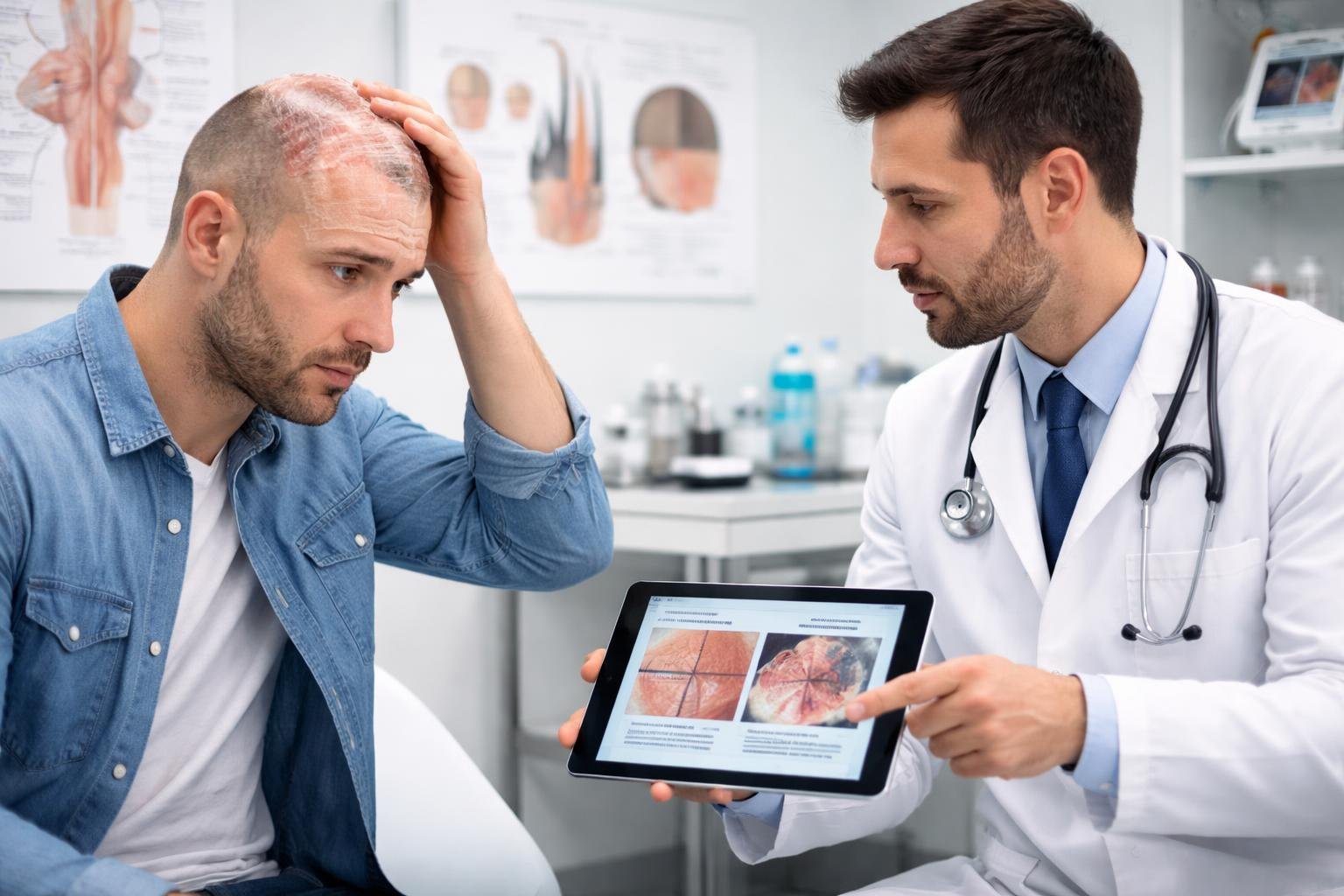
In hair transplant surgeries, some severe complications can arise, requiring prompt intervention. These conditions typically manifest as infection, excessive bleeding, or nerve damage. If left untreated, they can lead to permanent problems.
Infection and Risk of Infection
Infection is one of the most critical issues that can be encountered after a hair transplant. Failure to fully comply with sterilization and hygiene rules increases the risk of infection. It is crucial that the local anesthetic and surgical materials used during the operation are sterile.
If an infection develops, symptoms such as redness, swelling, pain, and pus appear in the scalp area. In such cases, antibiotic treatment is usually required. If left untreated, the infection can lead to permanent damage to hair follicles and hair loss.
Regular follow-up and adherence to hygiene rules significantly reduce the risk of infection. Following the surgeon's instructions is vital for early detection of infection and performing necessary interventions.
Excessive Bleeding
Excessive bleeding during or immediately after a hair transplant is rare but a serious complication. Bleeding can occur in the areas where transplanted hair follicles are placed. The risk of bleeding increases in patients who use blood-thinning medications before surgery.
Careful surgical technique and necessary precautions must be taken to control bleeding. If bleeding continues, local pressure should be applied, and medical intervention should be performed if necessary. If not intervened early, blood loss can impair tissue nutrition, causing permanent damage.
To reduce the risk of bleeding, medications used before the operation should be shared with the doctor. Additionally, in cases with signs of bleeding, a healthcare institution should be contacted without delay.
Nerve Damage and Permanent Numbness
Nerve damage is possible during the hair transplant procedure. This problem, usually temporary, can lead to long-term and permanent loss of sensation. Nerve damage manifests as numbness, burning, or loss of sensation in the hair transplant area.
Surgical technique and experience are crucial for preventing nerve damage. Nerve structures must be protected when operating on sensitive areas. Permanent damage is rare, but if numbness persists after the operation, expert examination is required.
The healing process in skin areas with lost sensitivity can be slow, and this condition can be associated with permanent hair loss. Early interventions for nerve damage increase the chances of recovery.
For detailed information, it is useful to review research on hair transplant complications and emergencies. The article Hair Transplant Complications and Possible Side Effects can be consulted.
Complications Related to Techniques
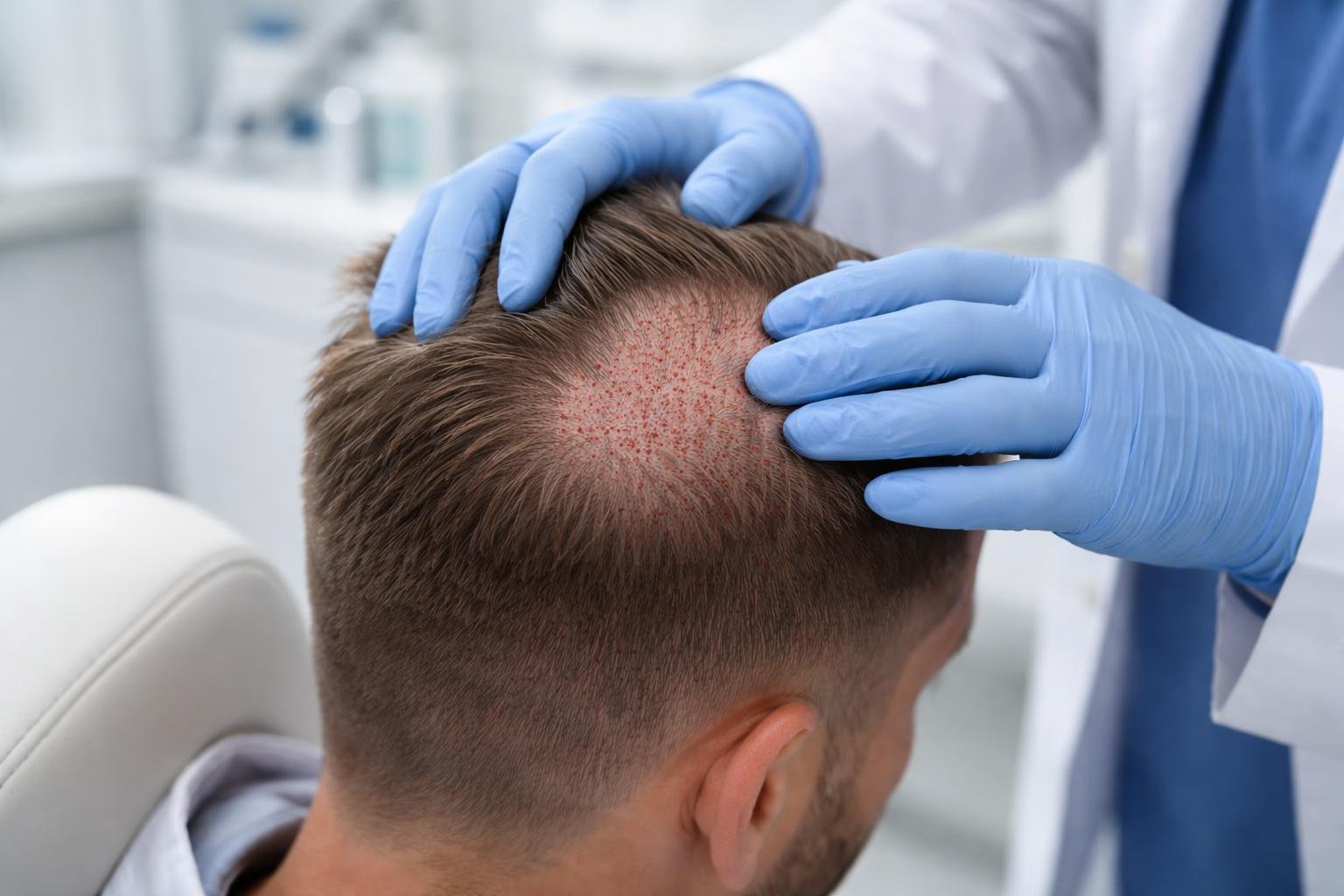
Complications arising from hair transplant methods can vary. The technique applied to the donor area and the method of graft extraction directly affect the healing process and the outcome. Problems such as post-operative edema, infection, and graft damage are evaluated in this context.
FUE and Possible Problems
The FUE method is based on extracting individual grafts from the donor area. This technique leaves small, pinpoint scars, but micro-traumas can occur during the application. Pain, swelling, folliculitis, and temporary numbness in the donor area are common problems.
Damage to grafts or their placement at the wrong angle can lead to undesirable hair growth patterns. Furthermore, there is a possibility of graft loss or grafts not taking completely.
The recovery time after FUE is generally short, but some patients may develop donor area infection or wound healing disorders. Technical experience and hygiene during the procedure are crucial for reducing the likelihood of complications.
FUT and Potential Problems
The FUT method involves removing a strip of donor skin from the back of the head. This technique can leave a wide scar, and due to tension in the donor area, the scar may widen.
In the FUT procedure, pain, tenderness along the suture line, edema, and rarely nerve damage can be observed. The donor area heals over a slightly longer period. Additionally, even if all grafts are removed without damage, there is a risk of tissue necrosis after strip removal.
In this method, the tension along the wound line can cause an aesthetically bothersome permanent scar. Errors in graft harvesting or inadequate site preparation can lead to asymmetry and irregular growth in hair patterns. Suture techniques and post-operative care minimize complications.
Aesthetic and Functional Problems
Problems that may arise after hair transplantation can often create significant issues in terms of both appearance and function. These problems include an unnatural hairline, irregularities in hair growth direction, and the formation of permanent scars on the skin. Each directly affects aesthetic expectations and needs to be prevented with appropriate techniques.
Unnatural Hairline
An unnatural hairline is the most common aesthetic problem among hair transplant complications. Especially incorrect planning of the frontal hairline prevents the hair from looking symmetrical and natural. Very sharp, irregular, or asymmetrical lines create an artificial appearance.
The hairline should be carefully designed according to the patient's facial features and age. If the angle and density of graft placement are not adjusted to mimic the natural direction of hair growth, the result can be artificial and disturbing. The critical point is for experienced specialists to plan the hairline individually.
Irregular Hair Growth and Thinning
Hair growth depends on the direction and density of the transplanted grafts. Irregular hair growth can disrupt the natural flow of hair, which leaves a poor aesthetic impression. Thinning occurs when the transplanted hair is not thick or dense enough.
The main reasons for these problems can be poor planning or insufficient technical knowledge. Additionally, unhealthy graft extraction and lack of care can lead to hair growing curly or in different directions. The angle and density of hair growth must be managed correctly during the hair transplant process.
Permanent Scars and Scarring
One of the most important functional problems of hair transplant surgery is permanent scars. If an appropriate technique is not applied during the extraction of grafts from the donor area, hypertrophic scars or keloid development can be observed. These scars can be both painful and create aesthetically unpleasing appearances.
To prevent permanent scars, surgical incisions must be made smoothly and carefully. In some patients, the risk of keloid formation is higher due to genetic predisposition. Scar treatment is difficult; therefore, pre-assessment of risk and selection of an appropriate clinic are vital.
Correct methods and expertise largely prevent these aesthetic and functional problems. However, risks cannot be completely eliminated in all cases and must be carefully evaluated.
Hair Transplant Complications and Possible Side Effects
Postoperative Care and Preventive Methods
In the post-hair transplant period, proper care and correct practices minimize the risk of complications. During the healing process, paying particular attention to hygiene, medication use, and the doctor's instructions prevents problems such as infection and edema.
Hygiene and Sterilization Rules
Hygiene is one of the most critical elements in post-hair transplant care. Hands should be washed frequently to prevent infection in wound areas. To keep the hair transplant area sterile, direct contact with the external environment should be minimized, and the operation area should not be touched by hand.
Drying should be done gently using soft and clean towels. Hot water should not be used during bathing, and direct water pressure should not be applied to the hair area. After the surgical procedure, dressings should be applied with sterile materials, and these materials should be changed at the frequency recommended by the doctor.
Sterilization involves keeping both the equipment used and the environment clean. This is one of the basic practices that reduce the risk of infection. The importance of hygiene and sterilization for post-hair transplant care is crucial in preventing complications.
Antibiotic and Medication Use
In postoperative care, regular use of antibiotics prescribed by the doctor reduces the risk of infection. Antibiotics are usually continued for about 5-7 days. The treatment process is based on preventing the spread of microorganisms and supporting wound healing.
Corticosteroid-containing drugs may be prescribed to reduce swelling and inflammation. However, these drugs must be used under medical supervision and at the specified doses. Self-modification can negatively affect the healing process.
Painkillers are preferred when necessary, but the correct timing and dosage of drugs such as antibiotics and corticosteroids prevent complications. Paying attention to medication use also limits potential side effects in the postoperative period.
Importance of Adhering to Care Instructions
Strict adherence to the care instructions given by the doctor or clinic is essential for successful results. Recommendations such as regulating daily activities, keeping the head elevated, and avoiding exercise after hair transplantation should be strictly followed.
Paying attention to hygiene rules and avoiding smoking and alcohol accelerate wound healing. Adhering to the hair washing procedures given in the instructions; for example, using special shampoo on certain days or having the first wash done with doctor's approval, is very important.
A disciplined care process facilitates healthy graft survival and reduces the risk of complications. Problems such as infection, redness, and graft shedding are more common in those who do not follow the instructions. Therefore, postoperative recommendations must be meticulously followed.
For more details on post-hair transplant care, Dr. Cinik's comprehensive care guide can be reviewed.
Rare and Late-Onset Complications
While some complications after hair transplantation appear immediately, some may be seen weeks or even months later. Such problems usually require special intervention and can affect the transplant area and the donor area.
Folliculitis and Cyst Formation
Folliculitis develops as a result of hair follicles becoming infected. After hair transplantation, small, red, inflamed swellings occur in the transplant area due to infection. This condition is usually controlled with antibiotic treatment.
Cyst formation occurs when blocked follicles do not heal for a long time. Small cysts can form around the hair follicles in the transplanted area. In some cases, cysts can be surgically removed.
Adherence to hygiene and the doctor's recommended care instructions is important to prevent folliculitis and cysts. Permanent problems are rare when intervened early.
Long-Term Sensory Changes
Damage to nerves during hair transplantation can lead to long-term numbness or loss of sensation in the donor area or transplant area. Although these sensory changes are usually temporary, they can rarely be permanent.
Patients may report tingling, burning, or changes in sensitivity in the skin of the donor area. Nerve healing can take weeks or months. Long-lasting problems are rare and are monitored with neurological examination.
In such complications, drug therapy or physiotherapy may be recommended. The surgeon's experience and correct techniques are effective in reducing nerve damage.
Continued Hair Loss
Temporary shedding, known as shock loss, can be seen after hair transplantation, but permanent hair loss in the transplanted hair follicles can rarely develop. This can occur in the transplant area or donor area after transplantation.
Permanent hair loss is usually associated with damage to the follicles during transplantation. Asymmetry in the hairline and continued shedding may occur due to incorrect planning or inadequate technique.
If shedding continues, additional procedures or different treatments may be necessary. Proper evaluation and selection of an expert surgeon are important in minimizing these risks. For detailed information about hair transplant complications, please refer here.
Frequently Asked Questions
The risks that may arise after a hair transplant are generally local and temporary. Serious health problems during or after the procedure are rarely seen and can be prevented with appropriate methods.
Does hair transplantation damage the brain?
Hair transplantation does not directly damage the brain. The procedure is performed on the scalp and has no effect on the brain tissue under the scalp.
Is there a risk of death from hair transplantation?
In hair transplant procedures performed under correct conditions and by an expert team, the risk of death is negligible. It is a minimally invasive surgical procedure.
Does hair transplantation cause cancer?
Hair transplantation has no relation to cancer. The procedure is based on the transfer of hair follicles and does not contain carcinogenic substances.
What are the most common risks and side effects of hair transplantation?
The most common risks include infection, edema, bleeding, folliculitis, itching, and temporary loss of sensation. Additionally, grafts may dislodge or unexpected hair growth may occur.
Does early hair transplantation cause problems in the future?
Early hair transplantation may require additional sessions in the future because the hair loss process is not yet complete. Planning and expert evaluation are important.
Can thyroid patients get a hair transplant?
Thyroid patients can have hair transplantation, but the thyroid condition must be well managed and under doctor's supervision. Some thyroid problems can affect the healing process.
For more detailed information, content prepared on hair transplant complications and risks can be reviewed.
Share this article
Leave a Comment
Comments
No comments yet