
Orthopedic Surgery Complications: Medical Tourism Insurance
Helpful resources
Orthopedic Surgery Complications Explained: Risks and Prevention Strategies
Orthopedic surgery can significantly improve mobility and quality of life, but it also carries potential complications that patients and healthcare providers must consider. The most common complications include blood clots, infections, delayed bone healing, and joint stiffness, which can affect recovery and long-term outcomes. Awareness and early management of these issues are essential to reduce risks and support healing.
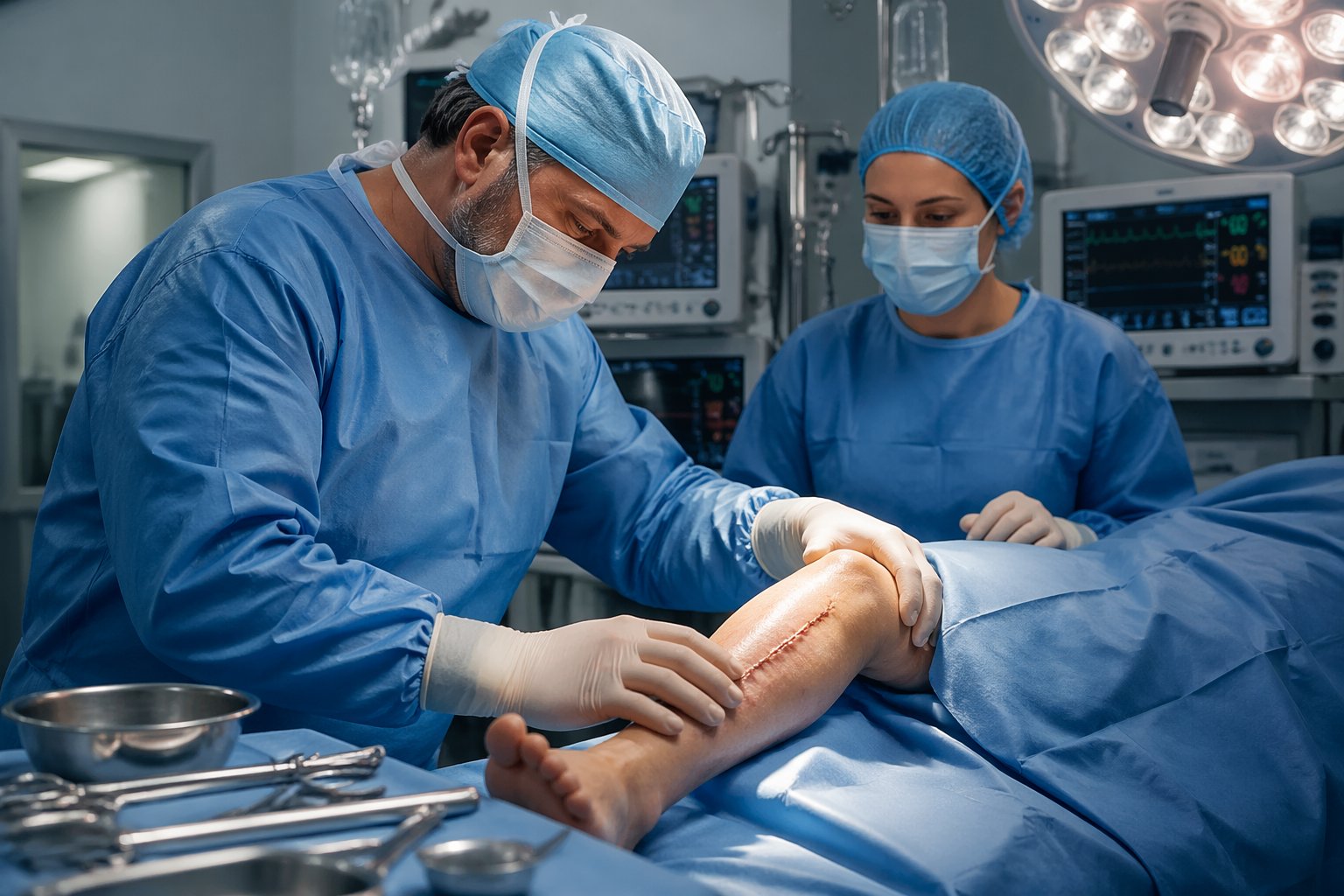
Complications may arise from surgical technique, patient health factors, or post-operative care. By understanding these risks and implementing prevention strategies, many complications can be minimized. This article will provide insight into the key challenges and best practices surrounding orthopedic surgery complications, helping readers make informed decisions and promote safer recoveries.
Key Takeways
- Complications in orthopedic surgery can affect recovery and long-term joint function.
- Early detection and thorough post-operative care are critical to managing risks.
- Preventive measures and patient education improve outcomes after surgery.
Risks of Blood Clots and Prevention
Blood clots are a significant concern after orthopedic surgery, particularly due to immobility and surgical trauma. Preventive strategies are crucial to reduce the risk of deep vein thrombosis (DVT) and pulmonary embolism (PE), both of which can be life-threatening if untreated. Treatment often involves a combination of medication, physical methods, and early patient movement.
Deep Vein Thrombosis (DVT) and Pulmonary Embolism
DVT occurs when a blood clot forms in a deep vein, usually in the leg, after surgery. These clots can cause swelling, pain, and redness in the affected limb. The danger lies in the clot dislodging and traveling to the lungs, causing a pulmonary embolism (PE), which restricts blood flow and can be fatal.
Patients undergoing hip or knee replacements, spine surgery, or major trauma are at higher risk. Risk factors include age, obesity, immobility, cancer, and previous clotting history. Recognizing symptoms early is vital for prompt treatment and to prevent severe outcomes.
Blood Thinners and Their Role
Blood thinners, or anticoagulants, play a key role in preventing clot formation after orthopedic surgery. They reduce blood’s ability to clot but require monitoring to balance preventing clots and avoiding excessive bleeding.
Common medications include low molecular weight heparin, direct oral anticoagulants, and warfarin. The orthopedic surgeon determines the medication type and duration based on patient risk factors and surgical procedure. Risk assessment before surgery is essential to ensure safe and effective use of blood thinners.
Use of Compression Stockings
Compression stockings are specialized hosiery designed to apply pressure to the legs, improving blood flow and reducing venous stasis. They are a non-invasive method to lower the risk of blood clots following surgery.
Proper sizing and consistent use are critical for effectiveness, and patients typically wear them until they regain normal mobility. Orthopedic teams often recommend these stockings alongside other prophylactic measures, especially in patients unable to use blood thinners.
Importance of Early Mobilization
Early mobilization is one of the most effective strategies to prevent blood clots after orthopedic surgery. Moving the legs soon after surgery stimulates circulation and reduces venous pooling.
Physiotherapists guide patients through gentle activities starting within hours or days post-operation, depending on the surgery type and patient condition. Early mobilization shortens hospital stays and lowers the risk of DVT and PE, making it a standard part of postoperative care protocols.
For more details on the importance of early movement after surgery, see how AasthaLok Hospital promotes early mobilization.
Infection and Wound Care Challenges
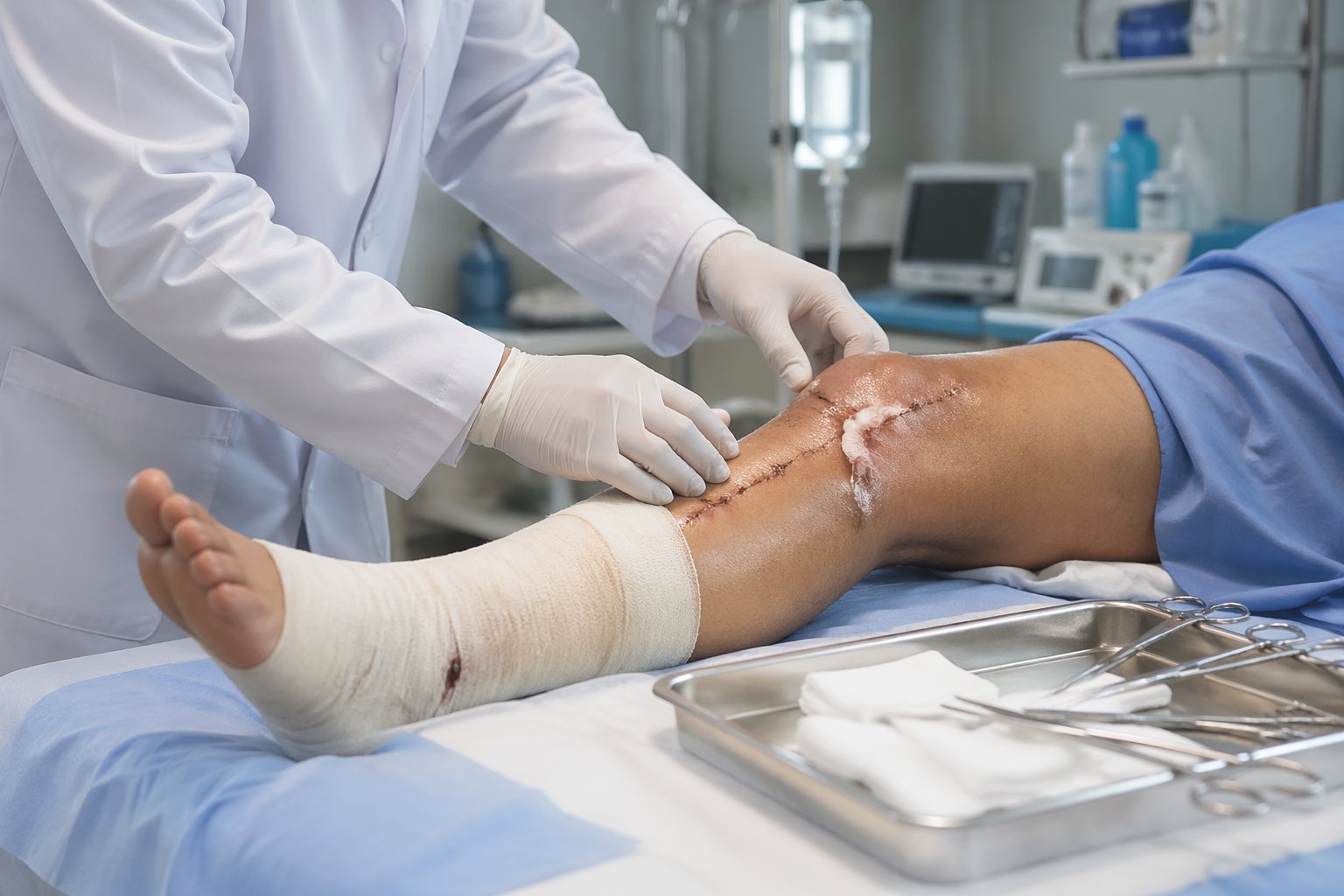
Orthopedic surgery carries a notable risk of infection and wound healing complications that can significantly affect patient outcomes. Addressing these issues requires precise management tailored to the surgical site and patient condition. Effective wound care protocols and early identification of infection signs are critical to preventing long-term complications.
Common Postoperative Infections
Surgical site infections (SSIs) are among the most frequent complications following orthopedic procedures, occurring in about 5% of cases with internal devices. These infections can affect the skin incision or deeper tissues around implants like plates or screws. Risk factors include prolonged surgery time, poor blood circulation, and the patient's overall health status.
Infections increase hospital stays and treatment costs substantially, often requiring additional surgeries and long-term antibiotics. Infection prevention protocols focus on sterile technique, proper antibiotic prophylaxis, and early detection. Orthopedic surgeons must monitor for redness, swelling, increased pain, or discharge at the wound, which are potential indicators of infection.
Wound Healing Problems
Delayed or impaired wound healing is common after orthopedic surgery and may result from multiple causes, including diabetes, smoking, or use of blood thinners that affect clotting. Poor wound healing can lead to dehiscence (wound reopening) and increase the risk of infection.
Tissue oxygenation and blood supply are essential for healing. Patients with compromised circulation or systemic illnesses often require specialized monitoring and care. Surgeons must consider these factors preoperatively and manage medications like anticoagulants carefully to balance bleeding risk and healing.
Principles of Wound Care
Proper wound care after orthopedic surgery is crucial to avoiding complications. Sterile dressings should be applied immediately post-operation and kept clean for at least 24 to 48 hours to protect against pathogens.
Patients should be educated on signs of infection and instructed on wound hygiene. Regular dressing changes under sterile conditions help reduce contamination risk. Orthopedic surgeons often recommend keeping the wound dry and avoiding excessive movement that stresses the surgical site.
Key wound care principles include:
- Use of sterile gloves and instruments during dressing changes
- Gentle cleaning with saline or antiseptic solutions
- Monitoring for signs of infection or excessive drainage
- Adjusting care plans based on patient-specific risk factors
Maintaining communication between the surgical team and patient ensures timely intervention if wound complications arise, improving healing outcomes. For more detail on infection risks and management, see evidence on surgical site infection following orthopedic surgery.
Joint Replacement Surgery Risks
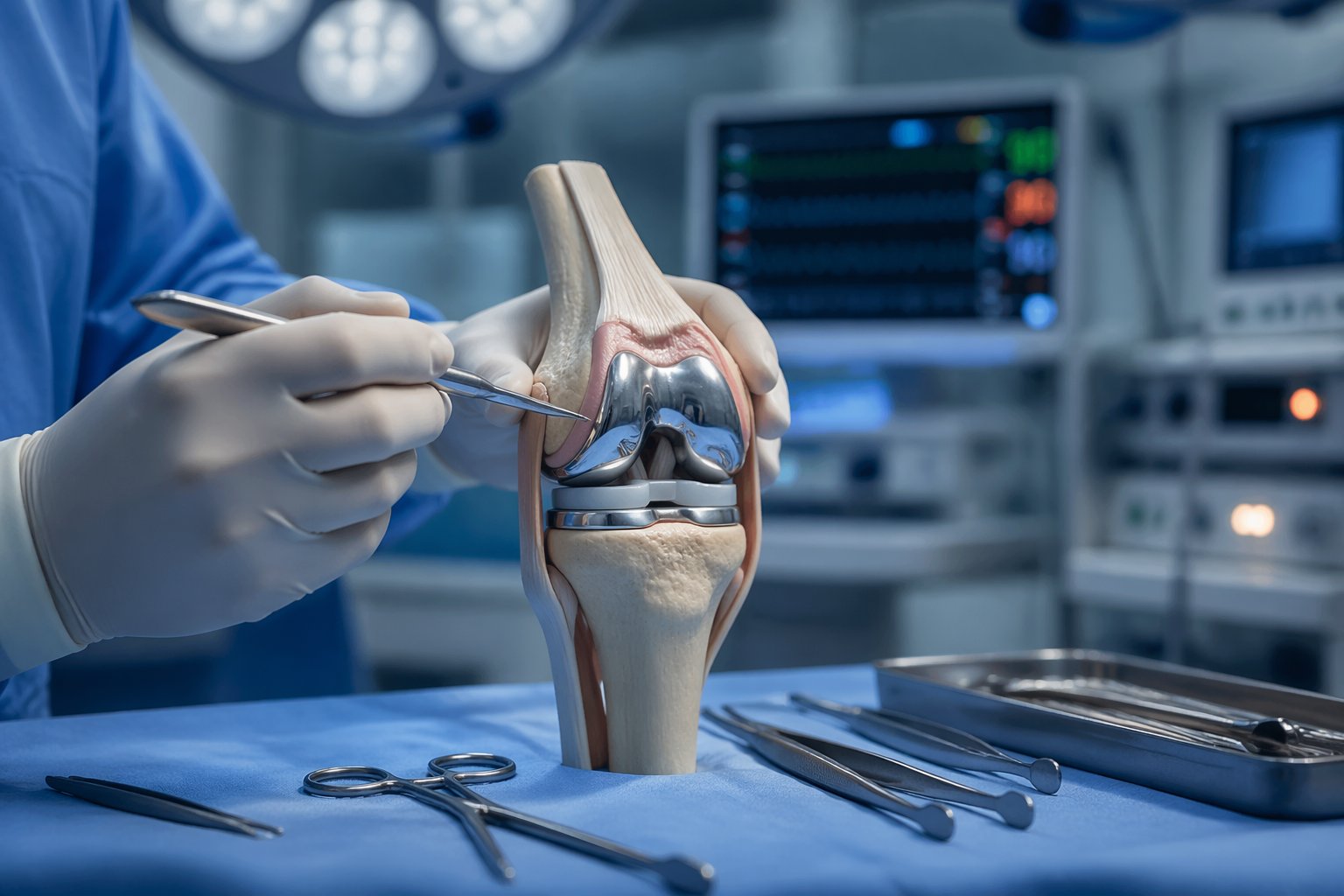
Joint replacement surgery carries specific risks that vary depending on the joint involved and the patient's health. Common concerns include infection, blood clots, implant loosening, and the need for further procedures. Understanding these risks helps patients and orthopedic surgeons make informed decisions about treatment.
Complications After Hip Replacement
Hip replacement surgery generally has high success rates, but complications can still occur. Infection is a serious risk, though it affects fewer than 2% of patients. Early signs include redness, swelling, and fever, requiring prompt treatment to avoid implant removal.
Other risks include blood clots, which may lead to deep vein thrombosis (DVT) or pulmonary embolism. Preventative measures like blood thinners and mobilization are essential.
Dislocation of the hip joint happens more often in the first few months after surgery, causing pain and instability. Implant loosening or wear may develop over time, sometimes necessitating revision surgery to restore function.
Issues With Total Knee Replacement
Total knee replacement patients face several potential complications. Infection remains a primary concern, possibly requiring antibiotic treatment or surgery if severe.
Blood clots are another risk, often managed similarly to hip replacement protocols. Stiffness in the joint can limit mobility and might improve with physical therapy or manipulation under anesthesia.
The implant may loosen or wear down over years, causing pain and reduced function. Some patients also experience persistent swelling or numbness around the surgical site.
Mechanical problems such as misalignment or instability affect knee function and may require further intervention.
Revision Surgery for Implant Problems
Revision surgery becomes necessary when initial joint replacements fail due to infection, implant loosening, or mechanical failure. It is often more complex and carries higher risks than the original procedure.
The orthopedic surgeon must carefully assess bone quality, infection status, and patient health before planning revision surgery.
Common reasons for revision include implant wear, dislocation, or persistent pain. The procedure may involve removing the old implant, treating any infection, and placing a new prosthesis.
Recovery from revision surgery is usually longer, with a higher chance of complications like infection or blood clots. Patients benefit from thorough preoperative planning and experienced surgical teams to optimize outcomes.
For more detailed information, see risks related to hip and knee replacement surgeries.
Joint Stiffness and Range of Motion Limitations
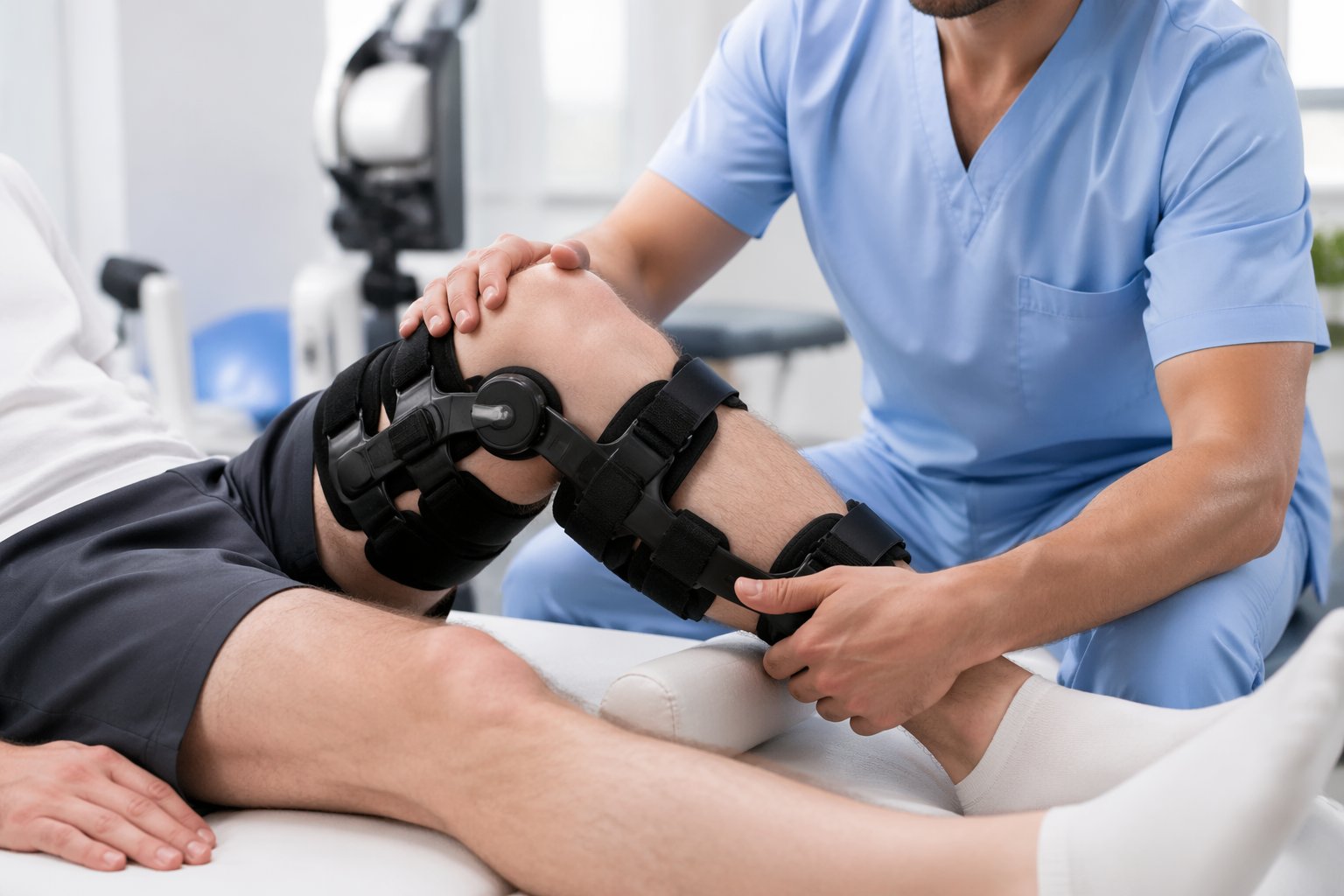
Joint stiffness and limited range of motion (ROM) are common challenges after orthopedic surgery. These issues can result from surgical factors, pain, swelling, or prolonged immobilization. Addressing stiffness promptly is important to restore mobility and prevent long-term functional loss.
Prevention and Management of Stiffness
Stiffness often develops from factors such as poor preoperative ROM, excessive scar tissue, or improper surgical technique. Early identification of these risks allows targeted interventions. Immobilization should be minimized, balancing pain control with gradual joint movement.
Key approaches include:
- Early mobilization: Initiating movement soon after surgery reduces soft tissue tightening.
- Pain management: Effective control allows patients to participate in movement exercises.
- Surgical technique: Correct alignment and soft tissue balancing during surgery help prevent stiffness.
In some cases, manipulation under anesthesia (MUA) may be performed if stiffness severely limits ROM despite rehabilitation efforts. Persistent stiffness is often multifactorial and requires tailored management based on patient-specific factors and the type of surgery involved.
Role of Physical Therapy and Physiotherapy
Physical therapy plays a critical role in improving joint stiffness and enhancing range of motion after orthopedic procedures. A physiotherapist develops a rehabilitation plan focused on progressive stretching, strengthening, and functional exercises tailored to the patient’s surgery and recovery stage.
Therapy techniques include:
- Passive and active range of motion exercises: To gradually increase joint mobility without causing damage.
- Neuromuscular re-education: Improves muscle control around the joint.
- Continuous passive motion (CPM): While its effectiveness varies, CPM may benefit selected patients post-manipulation.
Ongoing assessment by a physiotherapist ensures exercise intensity adjusts to patient tolerance and goals, preventing complications like muscle atrophy and joint stiffness. Early intervention and consistent physiotherapy reduce the risk of permanent ROM loss and support functional recovery.
For detailed clinical perspectives on rehabilitation protocols, see this review of physiotherapy protocols.
Nerve and Vascular Complications
Orthopedic surgery carries specific risks related to nerve and vascular structures. Damage to these can cause lasting functional impairments or circulatory problems. Careful surgical technique and preoperative planning help reduce these risks, yet complications may arise from patient anatomy or procedural complexity.
Risks of Nerve Damage
Nerve damage in orthopedic surgery can result from direct trauma, stretching, or compression during the procedure. Commonly affected nerves include those near the spine, limbs, and areas undergoing joint replacement or fracture fixation. Symptoms often include numbness, tingling, weakness, or loss of motion.
Surgical approaches near the spine carry increased risk of nerve injury due to the close proximity of nerve roots. Damage can lead to neuropathy or even partial paralysis in severe cases. Surgeons must carefully navigate around neurovascular bundles to avoid compromising sensory and motor functions.
Intraoperative factors such as retractor placement, surgical instruments, or prolonged limb positioning also contribute to nerve injury. Preoperative neurovascular evaluation helps identify vulnerabilities and guide safer interventions. Prompt recognition and management of nerve complications can improve patient outcomes and limit permanent deficits.
Potential for Vascular Injuries
Vascular injuries in orthopedic surgery, while rare, can pose serious threats including ischemia and hemorrhage. Procedures like knee arthroplasty and hip replacements frequently risk damage to major vessels such as the popliteal artery. Unrecognized vessel trauma may lead to pseudoaneurysm formation or arteriovenous fistulas.
Blood vessel injury may occur from sharp instruments, hardware placement, or bone fragment displacement. This risk is heightened in surgeries involving complex fractures or revision procedures. Early identification of bleeding or compromised blood flow is critical to prevent limb-threatening complications.
Surgeons often perform thorough preoperative vascular assessments and maintain careful intraoperative visualization of vessels. Managing these risks involves vigilance and readiness to perform vascular repair if necessary. The consequences of vascular damage necessitate prompt intervention to avoid prolonged recovery and additional surgeries.
vascular complications in orthopedic surgery
Pain Management and Chronic Pain Concerns
Effective control of pain immediately after orthopedic surgery is vital to reduce complications and support recovery. Failure to manage acute pain can increase the risk of developing chronic pain conditions. Ongoing assessment and tailored interventions play key roles in improving patient outcomes.
Strategies for Acute Pain
Pain management after orthopedic surgery typically involves a multimodal approach. Combining different types of analgesics, such as nonsteroidal anti-inflammatory drugs (NSAIDs), acetaminophen, and opioids, aims to control pain effectively while minimizing side effects.
Regional anesthesia techniques, like nerve blocks, provide targeted pain relief and reduce opioid requirements. Early mobilization and physical therapy also contribute to decreasing pain and accelerating functional recovery. Orthopedic surgeons often collaborate with pain specialists to develop individualized pain control plans.
Close monitoring of pain levels and adjusting treatments is crucial. Ensuring adequate pain relief helps lower the risk of perioperative complications, such as delayed wound healing or respiratory issues. Strategies emphasizing integrative care and whole-person health are increasingly recommended for orthopedic patients.
Dealing With Chronic Pain
Chronic post-surgical pain (CPSP) affects an estimated 20-30% of patients after orthopedic procedures, persisting beyond three months. It significantly impacts quality of life and may result from a combination of surgical trauma, nerve injury, and psychological factors.
Preventing CPSP requires attention before, during, and after surgery. Risk factors include pre-existing pain conditions, poor pain control postoperatively, and certain surgical techniques. A multimodal approach that addresses psychiatric, anesthetic, and rehabilitative aspects is essential.
Treatment of chronic pain often involves multidisciplinary care, combining pharmacologic options with physical therapy and psychological support. Orthopedic surgeons play a role in identifying CPSP early and referring patients for specialized pain management to reduce long-term disability and healthcare costs. For comprehensive guidance on managing chronic pain after surgery, see this review on risk factors for chronic post-surgical pain.
Postoperative Monitoring and Early Detection
Careful monitoring after orthopedic surgery is essential to identify signs of complications quickly. Continuous observation of vital signs, pain levels, and mobility status contributes to timely interventions that can prevent worsening conditions. Collaboration between the orthopedic surgeon, physiotherapist, and pain management team optimizes patient outcomes.
Recognizing Warning Signs
Early detection of complications depends on recognizing key indicators such as increased pain disproportionate to the expected recovery, swelling, redness, or warmth around the surgical site. Changes in mobility or unexpected stiffness should also raise concern. Monitoring vital signs like heart rate, respiratory rate, and temperature continuously helps detect infections or thromboembolic events.
Wearable devices that provide real-time vital sign data can alert clinical teams sooner than periodic checks alone. These technologies support more precise assessment beyond routine physical exams, identifying subtle changes that signal deterioration. Ensuring the orthopedic surgeon and nursing staff receive timely data allows faster decision-making and intervention.
Patient Follow-Up and Screening
Systematic follow-up by the orthopedic surgeon is critical. Scheduled clinical assessments should evaluate wound healing, joint function, and pain management effectiveness. Physiotherapists play a key role in monitoring functional recovery, spotting limitations or abnormal gait that may indicate complications.
Screening includes both physical examinations and patient-reported outcome measures. Consistent pain assessment guides adjustments to analgesic plans. Employing continuous wireless monitoring during the high-risk early postoperative period has been shown to reduce adverse events and improve long-term outcomes. The integration of these approaches ensures comprehensive surveillance and timely response to postoperative complications.
For details on continuous wearable technology and postoperative monitoring, see wearable devices for patient monitoring in the early postoperative period.
Optimizing Recovery and Reducing Future Risks
Effective recovery after orthopedic surgery hinges on targeted interventions before, during, and after the procedure. Addressing patient health factors and encouraging specific physical activities support healing and minimize complications. Long-term strategies focus on restoring function while preventing future orthopedic issues.
Role of Lifestyle and Prehabilitation
Lifestyle adjustments before surgery significantly impact recovery speed and complication rates. Smoking cessation, blood sugar control, and anemia management are critical in reducing surgical risks. Patients working with a physiotherapist to engage in prehabilitation—focused exercises and conditioning—improve strength and joint flexibility prior to surgery.
Prehabilitation emphasizes increasing the range of motion and muscle endurance. These improvements aid early mobilization post-surgery, which is essential for reducing risks like deep vein thrombosis or joint stiffness. Multidisciplinary clinics dedicated to surgical optimization tailor these programs, addressing individual medical histories and surgical demands to minimize orthopaedic complications effectively.
Long-Term Outcomes and Mobility
Long-term mobility and function rely heavily on continued physiotherapy and supervised rehabilitation. Early mobilization encourages tissue healing, reduces swelling, and preserves joint movement. Consistent physiotherapy post-surgery works on restoring range of motion and muscle strength to prevent chronic pain or disability.
Patients who follow structured rehabilitation protocols demonstrate better joint function and lower rates of complications that could require revision surgeries. Monitoring progress with periodic assessment helps guide therapy intensity and adapt recovery plans. This approach not only enhances physical outcomes but also reduces the likelihood of future orthopedic issues, ensuring sustained independence and quality of life.
For more information on recovery and surgical optimization, visit the Surgical Optimization Program in the Department of Orthopaedic Surgery and resources on early mobilization post-orthopedic surgery.
Frequently Asked Questions
Complications after orthopedic surgery vary in severity and require different levels of medical response. Recognizing symptoms early can prevent serious outcomes and improve recovery.
What are the most common complications after orthopedic surgery?
Infection is one of the most frequent issues, often marked by redness, swelling, and pain around the surgical site. Blood clots such as deep vein thrombosis and pulmonary embolism are also common.
Other complications include bleeding, delayed bone healing, joint stiffness, and reactions to anesthesia. Scar formation may occur but usually does not affect function.
What warning signs after orthopedic surgery require immediate medical attention?
Signs like severe uncontrolled pain, sudden swelling, and redness beyond the incision site should prompt urgent evaluation. Fever above 100.4°F with wound changes may indicate infection.
Sudden chest pain, shortness of breath, or leg swelling could signal blood clots and need emergency care. Any loss of sensation or movement warrants immediate assessment.
Why might shortness of breath occur after surgery, and when is it an emergency?
Shortness of breath may arise from blood clots traveling to the lungs (pulmonary embolism). It is a medical emergency demanding immediate treatment.
Other causes include fluid overload or cardiac complications. Persistent or worsening respiratory distress requires prompt intervention.
What causes flu-like symptoms after surgery, and how long can they last?
Flu-like symptoms such as fatigue, mild fever, and muscle aches can result from the body's inflammatory response to surgery. These typically last a few days to a week.
If symptoms persist or worsen, it could indicate infection or other complications needing medical review.
What are the symptoms of compartment syndrome after an orthopedic procedure?
Compartment syndrome presents as severe pain disproportionate to injury, tightness in the limb, numbness, and weakness. The affected area may appear swollen and pale.
This condition is urgent because increased pressure can damage nerves and muscles permanently if untreated.
What are the five most urgent orthopedic emergencies to recognize postoperatively?
- Pulmonary embolism, marked by sudden shortness of breath and chest pain.
- Compartment syndrome, causing extreme limb pain and swelling.
- Severe infection with fever, wound drainage, or spreading redness.
- Acute blood loss or hemorrhage after surgery.
- Loss of limb function or circulation indicating possible nerve or vascular injury.
Recognizing these emergencies early improves chances for successful treatment and recovery. For more detailed information on risks, see this guide on orthopaedic complications.
Share this article
Leave a Comment
Comments
No comments yet